Category: Sports

Latest sports news, records, viral moments and analysis from around the world

  • IPL vs Big Bash vs CPL: Which T20 League Produces the Best Cricket in 2026?

    IPL vs Big Bash vs CPL: Which T20 League Produces the Best Cricket in 2026?

    The T20 League Landscape in 2026

    The explosion of T20 franchise cricket has produced leagues on every continent. From the Indian Premier League’s billion-dollar ecosystem to the Caribbean’s passionate CPL, fans now have more world-class T20 cricket available than at any time in the sport’s history. The question of which leagues genuinely produce the best cricket quality has become an important one for fans and broadcasters alike.

    Indian Premier League: The Undisputed Financial King

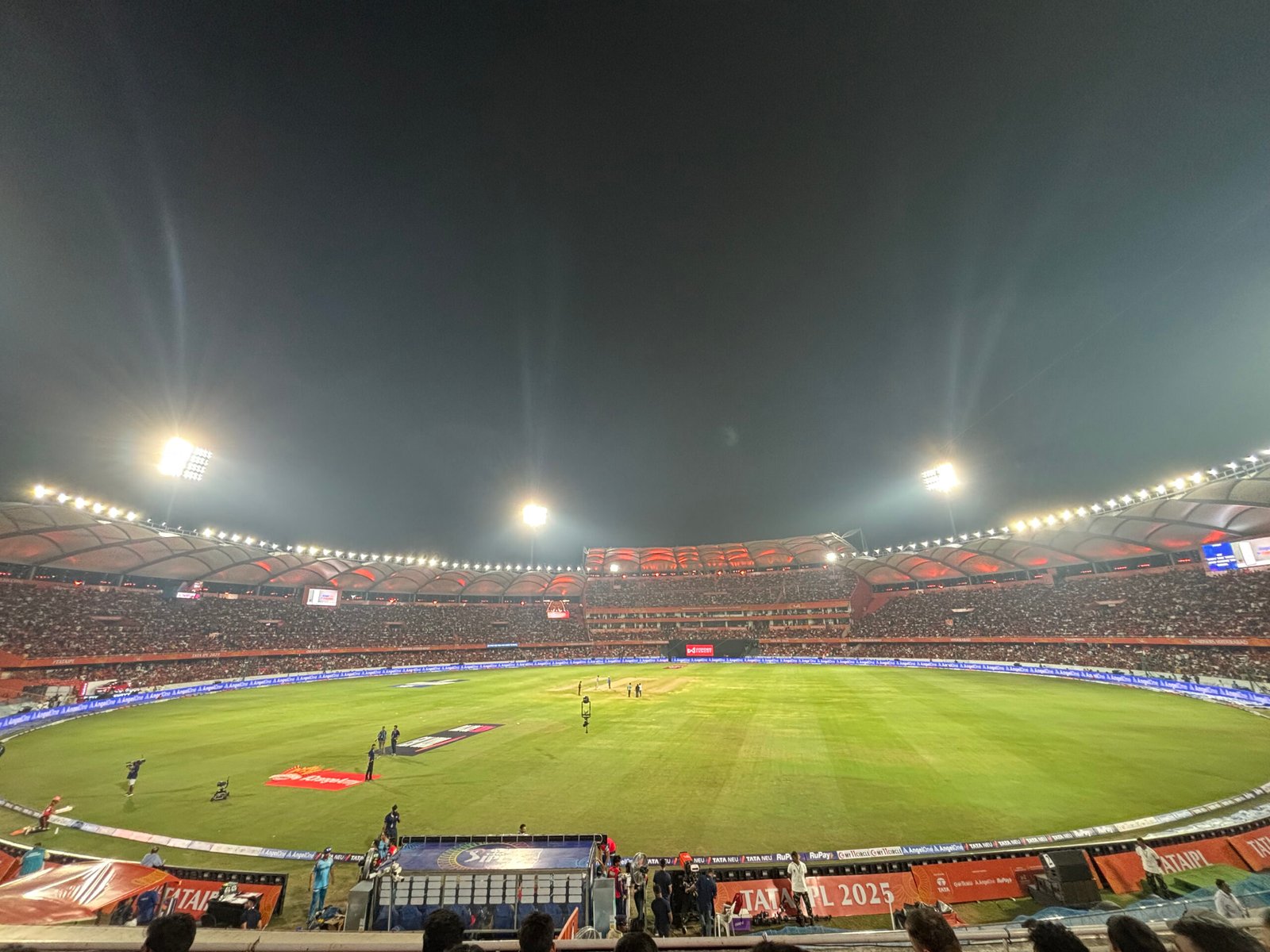
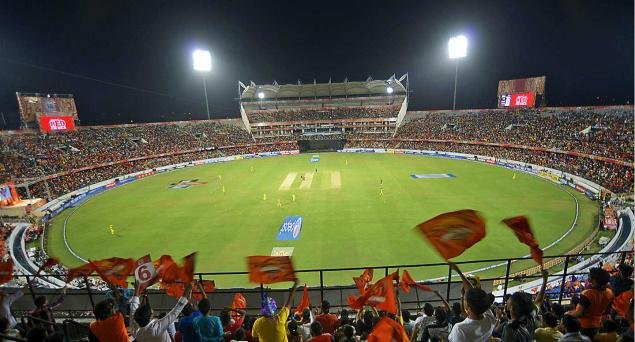
    The IPL’s dominance is not close to being challenged in financial terms. With broadcast deals that dwarf every other cricket league combined, the IPL attracts every available international star. Its 10-team, 74-match format creates a genuine mini-season producing more drama and stories than any other T20 competition globally.

    Big Bash League: Cricket’s Most Innovative Competition

    Australia’s Big Bash League has been cricket’s laboratory for format innovation. The Bash Boost, Power Surge, and X-Factor substitution rules were all trialled in the BBL before wider adoption. Its family-friendly atmosphere and excellent production values have grown cricket in non-traditional Australian markets beyond the major cities.

    Caribbean Premier League: Atmosphere Above All

    What the CPL lacks in financial resources it more than compensates for in atmosphere. Caribbean cricket crowds — steel bands, dancing, and genuine cricket passion — create an environment that even the IPL cannot replicate. The league also serves the crucial developmental purpose of keeping Caribbean cricket’s rich tradition alive and growing.

    The Verdict for Cricket Fans

    For pure cricket quality, the IPL is unchallenged. For innovation, the BBL. For atmosphere, the CPL. The good news for fans is that in 2026 you can watch all of them year-round on streaming platforms — making the world’s best T20 cricket more accessible than ever before in the sport’s history.


  • MS Dhoni Retirement Legacy: How Captain Cool Changed Indian Cricket Forever

    MS Dhoni Retirement Legacy: How Captain Cool Changed Indian Cricket Forever

    Captain Cool: A Title Earned in Fire

    Mahendra Singh Dhoni’s nickname — Captain Cool — could not be more apt. In a country where cricket is religion, Dhoni brought to the captain’s role a serenity that India had rarely seen before. Under pressure that would buckle most leaders, Dhoni’s heartrate appeared to slow down. His decision-making became more clinical. It was almost supernatural to watch from the stands.

    Three World Trophies: The Captain’s Perfect Record

    Dhoni is the only captain in cricket history to have won all three major ICC trophies — the T20 World Cup (2007), the ODI World Cup (2011), and the Champions Trophy (2013). Each victory came in different circumstances but all bore Dhoni’s unique fingerprint of calm, calculated leadership. No other captain has matched this unprecedented achievement.

    The Finisher Who Redefined Batting Under Pressure

    Dhoni’s ability to finish limited-overs matches was a special talent. His calculation at the crease — always knowing exactly how many runs were needed and when to accelerate — made him the most reliable match-finisher in India’s history. The 2011 World Cup final six over long-on will remain the most watched shot in Indian cricket history for generations to come.

    Wicketkeeping Records That Will Last

    Behind the stumps, Dhoni was electrifying. His lightning-fast stumpings became a signature. He holds the world record for most stumpings in international cricket. His game-reading from behind the stumps made every bowler better, functioning as a second captain on the field and contributing immeasurably to every victory.

    Irreplaceable in Every Sense

    India has produced many talented wicketkeeper-batters since Dhoni’s retirement from international cricket in 2020. None have replicated the complete package. Dhoni was truly one of a kind, and the space he left in Indian cricket has never been completely filled. That is the truest measure of greatness in any sport.

  • MS Dhoni Retirement Legacy: How Captain Cool Changed Indian Cricket Forever

    MS Dhoni Retirement Legacy: How Captain Cool Changed Indian Cricket Forever

    Captain Cool: A Title Earned in Fire

    Mahendra Singh Dhoni’s nickname — Captain Cool — could not be more apt. In a country where cricket is religion and the captain of the national team is its high priest, Dhoni brought to the role a serenity and clarity that India had rarely seen before. Under pressure that would buckle most leaders, Dhoni’s heartrate appeared to slow down. His mind sharpened. His decision-making became more clinical. It was almost supernatural to watch.

    Three World Trophies: The Captain’s Perfect Record

    Dhoni is the only captain in cricket history to have won all three major ICC trophies — the T20 World Cup (2007), the ODI World Cup (2011), and the Champions Trophy (2013). Each victory came in different circumstances, against different opponents, and with different personnel — but all bore Dhoni’s unique fingerprint of calm, calculated leadership. No captain before or since has matched this achievement.

    The Finisher Who Redefined Batting in Pressure

    Dhoni’s batting, particularly his ability to finish limited-overs matches under pressure, was a special talent in its own right. His calculation at the crease — always knowing exactly how many runs were needed, what shots to play, and when to accelerate — made him the most reliable match-finisher in India’s history. The 2011 World Cup final six over long-on will remain the most watched shot in Indian cricket history.

    Wicketkeeping That Set a New Standard

    Behind the stumps, Dhoni was electrifying. His lightning-fast stumpings, often without looking at the stumps as he gathered the ball, became a signature of his keeping. He holds the world record for the most stumpings in international cricket. More importantly, his game-reading from behind the stumps — he was effectively a second captain on the field — made every bowler better than they might otherwise have been.

    The Cultural Shift He Created

    Before Dhoni, India’s cricket stars came predominantly from metropolitan backgrounds. Dhoni — from Ranchi, a smaller city in Jharkhand — showed that talent transcended geography. His success opened doors and changed narratives about where Indian cricket talent could come from. An entire generation of players from smaller cities and towns now believe their path to the national team is possible.

    Irreplaceable in Every Sense

    India has produced many talented wicketkeeper-batters since Dhoni’s retirement from international cricket in 2020. None have replicated the whole package — the keeping, the batting, the decision-making, the leadership, and above all the composure. Dhoni was truly one of a kind, and the space he left in Indian cricket has never been completely filled. That is the truest measure of greatness.

  • MS Dhoni Retirement Legacy: How Captain Cool Changed Indian Cricket Forever

    MS Dhoni Retirement Legacy: How Captain Cool Changed Indian Cricket Forever

    Captain Cool: A Title Earned in Fire

    Mahendra Singh Dhoni’s nickname — Captain Cool — could not be more apt. In a country where cricket is religion and the captain of the national team is its high priest, Dhoni brought to the role a serenity and clarity that India had rarely seen before. Under pressure that would buckle most leaders, Dhoni’s heartrate appeared to slow down. His mind sharpened. His decision-making became more clinical.

    Three World Trophies: The Captain’s Perfect Record

    Dhoni is the only captain in cricket history to have won all three major ICC trophies — the T20 World Cup (2007), the ODI World Cup (2011), and the Champions Trophy (2013). Each victory came in different circumstances, against different opponents, and with different personnel — but all bore Dhoni’s unique fingerprint of calm, calculated leadership.

    The Finisher Who Redefined Batting

    Dhoni’s batting, particularly his ability to finish limited-overs matches under pressure, was a special talent. His calculation at the crease — always knowing exactly how many runs were needed, what shots to play, and when to accelerate — made him the most reliable match-finisher in India’s history. The 2011 World Cup final six over long-on will remain the most watched shot in Indian cricket history forever.

    Wicketkeeping That Set a New Standard

    Behind the stumps, Dhoni was electrifying. His lightning-fast stumpings became a signature of his keeping. He holds the world record for the most stumpings in international cricket. More importantly, his game-reading from behind the stumps made every bowler better than they might otherwise have been.

    Irreplaceable in Every Sense

    India has produced many talented wicketkeeper-batters since Dhoni’s retirement. None have replicated the whole package. Dhoni was truly one of a kind, and the space he left in Indian cricket has never been completely filled. That is the truest measure of greatness in any sport.

  • Youngest Cricket World Cup Players Ever: The Prodigies Who Took the Stage

    Youngest Cricket World Cup Players Ever: The Prodigies Who Took the Stage

    When Youth Meets the Biggest Stage

    The World Cup is the pinnacle of cricket — a stage where the nerves of experienced internationals can be overwhelming. Imagine, then, facing that same stage as a teenager, representing your country before you’ve even finished growing up. Cricket has produced a remarkable collection of teenage World Cup performers — players who were not just along for the ride, but who genuinely influenced tournament outcomes.

    Shahid Afridi (1996): The World Cup’s Most Famous Teenage Entry

    Shahid Afridi became one of cricket’s most famous teenagers when, in only his second ODI appearance, he smashed the fastest century in ODI history (then a world record). He was just 16 years old — though Pakistan’s official records were later questioned, and the ICC acknowledges the age discrepancy. Whatever his actual age, the innings was extraordinary and launched one of the game’s great entertainers onto the world stage.

    Kumar Sangakkara’s Early World Cup Career

    Sri Lanka’s Kumar Sangakkara appeared in his first World Cup before his 24th birthday, and went on to play in five World Cups across a career that eventually saw him become one of the greatest batters and wicketkeepers in the history of the game. His early World Cup appearances showed a player of extraordinary composure well beyond his years.

    Afghanistan’s Young Lions

    In more recent World Cups, Afghanistan have brought some genuinely talented teenagers to international tournaments. Their ability to develop young cricketers rapidly — the country only played its first international match in 2001 — and bring them to the World Cup stage represents one of cricket’s most inspiring development stories.

    The 2026 Generation of Teenage Cricketers

    The 2026 World Cup cycle has already produced several teenagers who are turning heads in international cricket. A 17-year-old pace bowler from South Africa clocked 150kph in a domestic tournament. A 19-year-old Indian batter topped the IPL scoring charts before receiving his first national call-up. Cricket’s talent pipeline is healthier than ever, and the next generation of young World Cup heroes is already knocking on the door.

    Why Young Players Thrive on the World Cup Stage

    Psychologists who work with sports teams note that teenagers sometimes perform better at the highest level precisely because they lack the weight of expectation that experience brings. A 19-year-old debutant has nothing to lose — they play freely, take risks, and occasionally produce innings or spells that more experienced players would overthink. That fearlessness is cricket’s greatest gift from its youngest participants.

  • The Rise of Test Cricket in 2026: Why the Longest Format is Thriving Again

    The Rise of Test Cricket in 2026: Why the Longest Format is Thriving Again

    The Format That Refuses to Die

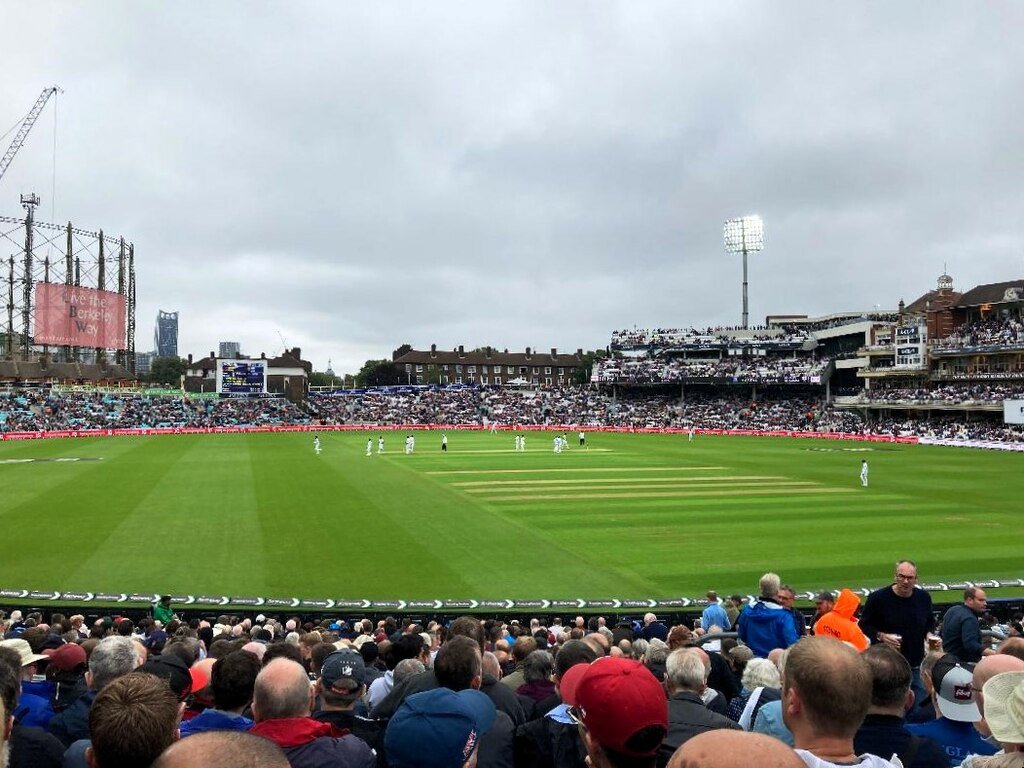
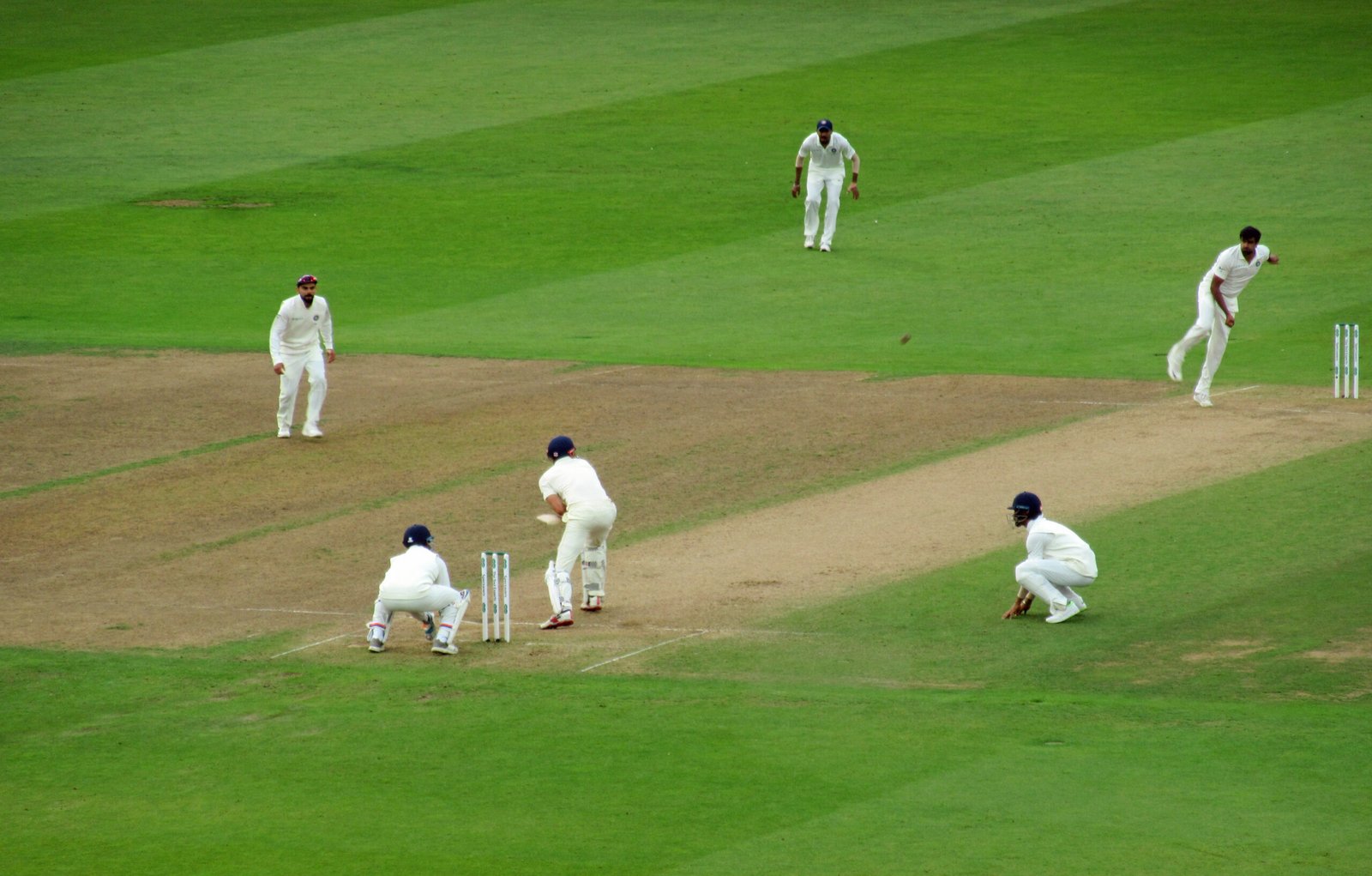
    Every few years, cricket pundits predict the death of Test cricket. In the age of T20 franchises, three-hour matches, and social media attention spans, how can a five-day match possibly compete? The answer, consistently and emphatically, is that it competes very well indeed. In 2026, Test cricket is watching record attendances at the MCG and Lord’s, generating growing global streaming audiences, and producing some of the finest cricket of any era. It is, to use an appropriately cricket metaphor, weathering every delivery thrown at it.

    What Bazball Did for Test Attendances

    England’s attacking Bazball approach under Ben Stokes had an unexpected side effect: it massively increased attendance at home Test matches. When England bat, there is a genuine possibility of 400 runs in a day. When they bowl, they are actively pursuing results rather than playing out draws. This entertainment value has translated directly into sold-out grounds, increased TV audiences, and a new generation of Test cricket fans who might previously have switched off after day one.

    The World Test Championship: A Framework for Meaning

    The ICC World Test Championship — a rolling competition that calculates which teams are the best in the world across a two-year cycle — has given Test cricket a structural purpose that individual series sometimes lacked. Every Test match now has implications for the WTC standings, giving context to series between nations that might previously have been treated as low-stakes. The WTC final at Lord’s has become one of cricket’s most prestigious events.

    The Pink-Ball Revolution

    Day-night Test cricket, played with the pink ball under floodlights, has been one of the format’s most successful innovations. Evening sessions that attract crowds who cannot attend day games, television audiences in prime-time slots, and the specific challenges the pink ball creates for batters and bowlers have added a new dimension to the format. Day-night Tests have been consistently well-attended in Australia, India, and England.

    Streaming and the Global Audience

    Perhaps the biggest driver of Test cricket’s revival is the shift to streaming. Unlike broadcast television, streaming platforms allow fans across the world to follow ball-by-ball action regardless of time zones. Cricket fans in the United States, Canada, and across Europe who would never have sat through a Test match on traditional TV are now following their national or adopted teams through mobile streaming — bringing genuinely new audiences to the game’s oldest format.

    Long May It Last

    Test cricket’s survival and revival is cricket’s gift to itself. In a world of instant gratification and short-form content, Test cricket offers something genuinely different: a sustained, evolving narrative that rewards patience and punishes careless play. It is sport as story, played out across five days, and there is nothing else quite like it in the world of professional sport.

  • Cricket’s Greatest Rivalries Beyond India-Pakistan: England-Australia, West Indies-England and More

    Cricket’s Greatest Rivalries Beyond India-Pakistan: England-Australia, West Indies-England and More

    Rivalry Is Cricket’s Heartbeat

    Cricket has always been a game of great rivalries. Whether it’s the ancient hostility of the Ashes or the Caribbean flair meeting English reserve in the 1970s and 80s, cricket’s best rivalries are woven into the fabric of the sport’s history. Beyond the headline India-Pakistan fixture, these are the contests that have shaped the game we know and love today.

    England vs Australia: The Ashes — 140 Years of History

    The Ashes is the oldest cricket rivalry on the planet. Born from a mock obituary in a British newspaper in 1882 after Australia beat England on English soil for the first time, it has produced five generations of cricket’s most compelling head-to-head contests. The rivalry spawned legends from both sides — Bradman, Botham, Lillee, Warne, Flintoff — and every era produces new chapters.

    West Indies vs England: The 1970s-80s Rivalry That Changed Cricket

    In the 1970s and 1980s, West Indies cricket was the dominant force in world cricket — and England were their primary rivals. Clive Lloyd’s West Indies side deployed four fast bowlers in an era before helmets were compulsory, producing a form of cricket that was simultaneously brilliant and terrifying. The social context — the Caribbean diaspora in England, the politics of race and sport — gave this rivalry a significance that extended far beyond cricket.

    South Africa vs Australia: A Modern Classic

    In recent decades, South Africa vs Australia has emerged as one of cricket’s most competitive fixtures. Two nations with an intense, uncompromising style of play and a mutual dislike of losing have produced Test series of extraordinary quality. The ball-tampering controversy of 2018 added a darker chapter, but the rivalry endures as one of modern cricket’s most compelling contests.

    Sri Lanka vs Australia: The 1990s World Cup Era

    Sri Lanka’s 1996 World Cup victory — achieved with a revolutionary opening batting strategy that cricket’s establishment initially dismissed — made them Australia’s most significant rivals of that era. The sight of Arjuna Ranatunga walking defiantly towards an intimidating Australian pace attack, or Sanath Jayasuriya hitting the first ball of an innings over the boundary, remains one of the great images of 1990s cricket.

    The Rivalries Still to Come

    Afghanistan’s rise in world cricket is already creating new rivalries with established powers. Associate nations becoming increasingly competitive means cricket’s rivalry map is expanding. In 2026 and beyond, we may well see new test series and World Cup fixtures between nations that were considered mismatches just a decade ago. Cricket’s rivalries, like the sport itself, keep evolving.

  • Shane Warne’s Legacy in 2026: Why Cricket’s Greatest Leg-Spinner Will Never Be Forgotten

    Shane Warne’s Legacy in 2026: Why Cricket’s Greatest Leg-Spinner Will Never Be Forgotten

    The Man Who Made Spin Sexy Again

    When Shane Warne passed away in March 2022, cricket lost more than its greatest leg-spinner. It lost a personality, a performer, an entertainer, and an ambassador who spent thirty years making the sport more exciting, more theatrical, and more entertaining for everyone who watched it. Four years on, his influence on the game remains profound and his memory cherished by fans across the world.

    The Ball of the Century

    Warne’s first delivery in Ashes cricket — the so-called “Ball of the Century” bowled to Mike Gatting at Old Trafford in 1993 — is still replayed more than any other delivery in the sport’s history. It pitched well outside leg stump and turned sharply to clip the off bail. Gatting stood at the crease in disbelief. In a single delivery, Warne announced himself as someone utterly different from anything cricket had seen before.

    708 Test Wickets and a Revolution in Leg-Spin

    Warne took 708 Test wickets — the second-highest in history — at an average that remains the best for any bowler in the top 10 all-time wicket-takers. More than the numbers, he revived leg-spin bowling as a discipline at exactly the moment when it seemed to be dying out. After watching Warne, cricket around the world began producing young leg-spinners again — his influence is still visible in every international team’s spin attack.

    The Ashes Battles

    No bowler was more associated with the Ashes than Warne. His love of performing against England on English soil was palpable — and reciprocated, in a strange way, by English fans who knew they might be watching the greatest bowler of all time even as he destroyed their team. The 2005 Ashes — which England won — was partly memorable because of Warne’s extraordinary personal performance in a losing cause.

    The Warne Foundation and Off-Field Legacy

    Warne’s foundation, which supports seriously ill and underprivileged children, continues its work in Australia in his memory. His former teammates, opponents, and the entire cricket community have worked to ensure that his charity work remains as prominent as his playing legacy. In death, as in life, he was larger than the game itself.

    Irreplaceable

    Cricket has produced leg-spinners since Warne — talented ones, world-class ones, important ones. None of them are Shane Warne. Not because of the wickets or the averages, but because of what he brought to the sport: the wink at the batter, the chat with the press, the absolute certainty that whatever was happening in the match, Warne would find a way to make himself the centre of the story. Cricket misses him every day.

  • Cricket Analytics 2026: How Data Science is Transforming Team Strategy

    Cricket Analytics 2026: How Data Science is Transforming Team Strategy

    Numbers Behind the Game

    Cricket has always been a statistics-rich sport — scorecards, averages, economy rates, and strike rates have been analysed for generations. But the analytical revolution of the 2020s took cricket data to an entirely different level. In 2026, international teams employ dedicated data scientists, video analysts, and AI-assisted scouting platforms that process millions of data points to gain competitive edges that were unimaginable a decade ago.

    Hawk-Eye and Ball-Tracking Analytics

    Hawk-Eye’s ball-tracking technology — originally designed for DRS decisions — now generates rich datasets about every delivery bowled in international cricket. Teams analyse pitch maps, lengths, deviation patterns, and subtle changes in bowler action that might not be visible to the naked eye. Captains arrive at press conferences with knowledge of specific batters’ weaknesses against specific ball types that would have seemed extraordinary to players of previous generations.

    Batting Models and Match Simulation

    Modern teams use Monte Carlo simulation models to optimise batting order decisions. Rather than relying on tradition (“your best batter bats at 4”), teams now analyse probability distributions of various outcomes across different scenarios. These models consider player form, pitch conditions, opposition bowlers, and match situation to recommend the highest-probability-of-success batting order — which sometimes looks surprising on paper but makes mathematical sense.

    Field Placement Optimisation

    Where captains once placed fielders based on instinct and experience, AI-assisted platforms now generate optimal field placements based on a specific batter’s shot distribution. Every international team now uses wagon-wheel analytics to identify scoring zones and place fielders accordingly. This has produced noticeable changes in field-setting patterns — and in how top batters approach the first few deliveries against a new bowler.

    The Human Element Still Matters

    For all the sophistication of modern cricket analytics, the game’s greatest coaches and captains maintain that data is a tool, not a replacement for cricketing judgment. MS Dhoni’s captaincy instincts, or Warne’s ability to read a batter during an over, are things that no algorithm can fully replicate. The best teams in 2026 combine analytical rigour with experiential wisdom — using data to inform, rather than override, human decision-making.

    The Future of Cricket Analytics

    With wearable technology now tracking players’ physical and mental states in real time, and AI systems capable of processing match footage instantly, the next frontier in cricket analytics involves biometric data and psychological profiling. Understanding when a batter’s heart rate suggests they’re under pressure — or when a bowler is fatiguing — could give teams advantages that go far beyond the current state of play. Cricket analytics is still in its early chapters.

  • Women’s Cricket 2026: How the Women’s Game Has Become a Global Force

    Women’s Cricket 2026: How the Women’s Game Has Become a Global Force

    A Revolution in Real Time

    The growth of women’s cricket over the last decade has been nothing short of remarkable. From modest crowds and limited broadcast deals, the women’s game has grown into a legitimate global sport with record attendances, huge TV audiences, and international stars who are as recognisable as any male cricketer. In 2026, women’s cricket stands as one of sport’s great success stories.

    The 2020s: The Decade That Changed Everything

    The ICC Women’s T20 World Cup in Australia in 2020 was the watershed moment. 86,000 fans packed the MCG for the final — a world record for women’s cricket that stunned even the most optimistic observers. That moment crystallised what had been building for years: that women’s cricket, given the right platform, could attract enormous audiences. Every ICC tournament since has built on that foundation.

    The Stars Driving Global Growth

    Smriti Mandhana, Ellyse Perry, Nat Sciver-Brunt, and a generation of younger stars have become genuine sporting celebrities. Their social media followings, commercial endorsement deals, and role-model status for millions of young girls wanting to play cricket has created a virtuous cycle of investment, exposure, and participation growth that sustains the women’s game’s expansion.

    Franchise Cricket’s Role

    The launch of dedicated women’s franchise leagues — including the Women’s Premier League in India — has been transformative. For the first time, women’s cricketers can earn professional wages that allow them to train full-time, without needing second jobs or financial support from family. This professionalism shows on the pitch: the standard of women’s cricket globally has improved dramatically as a result.

    Equal Pay and Structural Parity

    Several cricket boards have made significant steps toward pay parity between men’s and women’s players. New Zealand Cricket was among the first to announce equal match fees. England, Australia, and India have all significantly increased women’s player retainer contracts. The gap remains large in absolute terms, but the direction of travel is firmly positive.

    The Road Ahead

    Women’s cricket in 2026 is on a trajectory that would have seemed impossible twenty years ago. With the next Women’s World Cup generating record broadcast interest, the next generation of stars coming through, and cricket boards increasingly investing in women’s programmes, the future looks extraordinarily bright. The women’s game is no longer cricket’s secondary product — it is one of its greatest assets.