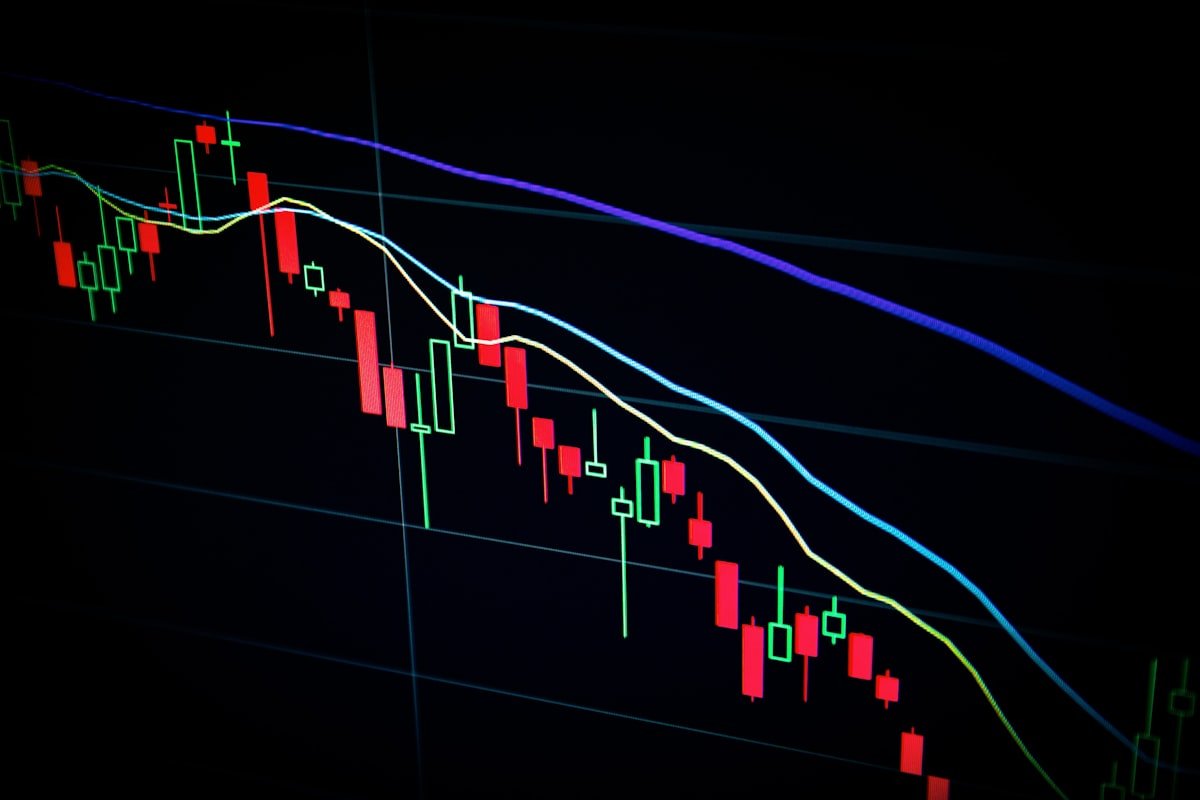
It happened. After years of predictions, memes, and debate, Bitcoin crossed $200,000 per coin in Q1 2026. For anyone who bought at the 2022 bottom of $16,000 and held, that’s a 12.5x return in roughly three years. For early investors from 2020, the numbers are even more staggering.
But as with every Bitcoin milestone, the moment of peak price is also the moment of peak questions: Is this a bubble? Is this sustainable? Should I buy now? And perhaps most importantly — where did all this money actually come from?
What Actually Drove This Rally
Unlike the 2021 cycle, which was largely driven by retail speculation and meme-driven momentum, the 2025-2026 rally has a more structural foundation. Institutional adoption has crossed a critical threshold that many analysts argued would eventually happen but couldn’t predict when.
Spot Bitcoin ETFs approved in the US in early 2024 opened the floodgates. By Q4 2025, Bitcoin ETFs held collectively held over $180 billion in assets — making them some of the largest commodity ETFs ever created. Sovereign wealth funds from UAE, Norway, and Singapore have publicly disclosed Bitcoin allocations. Major insurance companies and pension funds followed.
The supply side equation also contributed. The April 2024 halving cut new Bitcoin issuance from 900 to 450 coins per day. Combined with an estimated 3–4 million Bitcoin permanently lost from dormant wallets, the effective circulating supply is far lower than the theoretical maximum suggests. Basic supply-demand math, running against a wall of institutional demand, produces predictable results.
Who Is Actually Getting Rich
Mostly: people who bought between 2018 and 2022 and didn’t sell during the volatility. And institutional investors who established positions in the 12 months following ETF approval. The people getting rich are overwhelmingly not the people who bought at the top of the 2021 cycle and panic-sold in 2022.
This pattern repeats consistently in every Bitcoin cycle: the biggest winners are the buyers during maximum fear, and the biggest losers are the buyers during maximum excitement — which, historically, is approximately when price milestones like this make mainstream news.
What History Says About What’s Next
Every previous Bitcoin cycle has included a peak, a correction of 60–80%, and then a new, higher floor. Whether this cycle follows the same pattern or whether institutional adoption has fundamentally changed the volatility profile is the central debate in crypto right now. The case for a softer correction: institutional buyers have defined investment mandates and don’t panic-sell like retail. The case for another major drawdown: leverage in the derivatives market is at historic highs, which creates cascade liquidation risk.
The honest answer is that nobody reliably knows. Bitcoin has confounded virtually every expert prediction throughout its entire history. The only consistent advice that has held up is: only invest what you’re genuinely prepared to see drop 70%, and never make a Bitcoin decision based on recent price action alone.
Leave a Reply