Turbo Legends First Race: One Track and a Clean Line
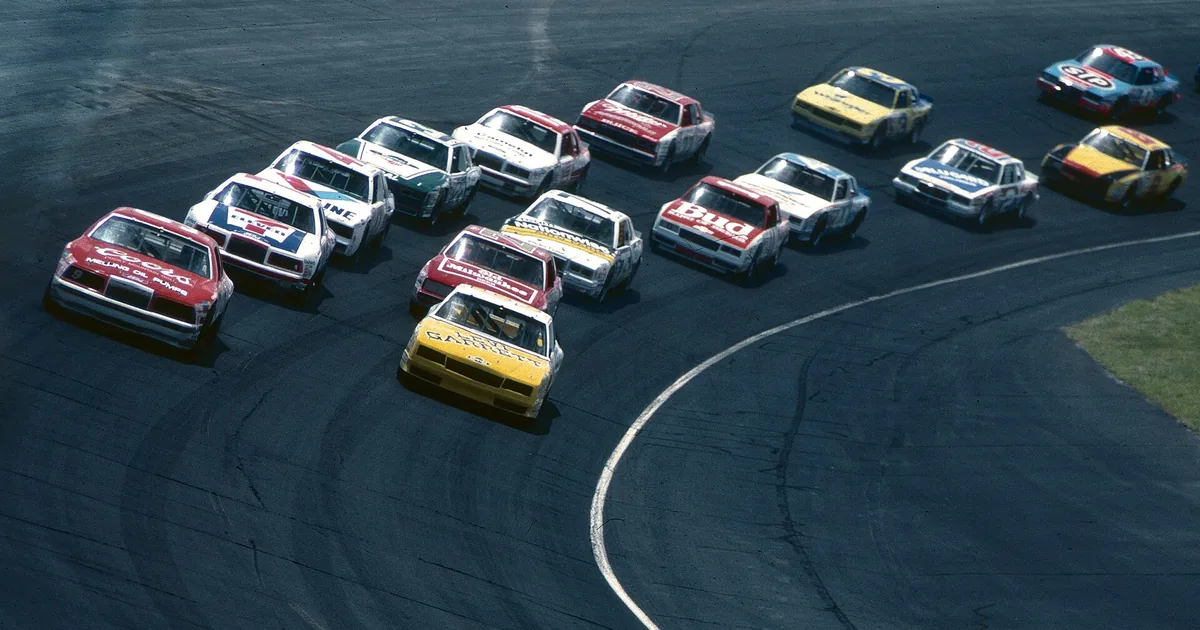
Short answer
Qualify, then race three laps. Nitro fills from a clean line. A bump on a rival scrubs speed, and contact is not how you score. Start in the Relay Dart on one track. Brine Special is the grip car for Switchback International, and Pale Circuit is the night car for Harbor Night. The rival in a duel is a ghost on the board.
<a href="/games/turbo-legends/">Turbo Legends</a> is a browser race you can learn one circuit at a time. You qualify, then you race three laps. Nitro fills when the line stays clean. Bumping a rival scrubs speed. Contact is not a way to score. The opener car is the Relay Dart. Four tracks wait: Switchback International, Harbor Night, Kiln Oval, and Lantern Pier. Each one has a time trial, a rival duel, and a grand prix.
A first race ignores three of those tracks and five of the six cars. Pick one circuit, keep the Relay Dart, qualify, and run the three laps with space if a rival is near. The rival you meet in a duel is a ghost on the board, not a person you pay. When you want a slower town afterward, the furnace notes for <a href="/blog/frost-haven-first-winter/">Frost Haven</a> are a different sitting.
Qualify, then three laps
The race has two parts. Qualifying puts a time on the board. The race that follows is three laps. The corners you rush in qualifying are the corners that surprise you when the three laps begin.
Switchback International, Harbor Night, Kiln Oval, and Lantern Pier are the four tracks. Any one can be the classroom. Stay there until the three laps feel like a lap you have met before. Switching tracks because the first one felt hard only resets the lesson.
The Relay Dart is the opener. It is the right car while the track is new. Cinder GT, Glassline, Brine Special, Quarry Haul, and Pale Circuit are real choices with real strengths, and they are second-session cars at the earliest. A sprinter that hates a bad exit will not teach you the exit. It will punish an exit you have not learned. Learn the exit in the Dart.
Name the circuit out loud
Before you roll, say the track and the car. "Switchback, Relay Dart" is a complete brief. "Harbor Night, Relay Dart" is another. Kiln Oval and Lantern Pier work the same way. If the sentence starts changing cars mid-thought, you are not ready to change cars. Finish the brief you said.
The first ten minutes
Ten minutes is qualifying plus a calm look at the three laps. It is not four tracks.
Minute one is the choice. Open the race, pick one track, leave the car on the Relay Dart. Read the mode. If you are in a time trial by accident, that is a legal place to learn a corner, and you can still decide to qualify and race once the corner is less mysterious. For a first race, aim at the qualify-then-three-laps shape.
Minutes two and three are qualifying. Drive the lap as if someone kind is watching your hands. Leave space. Notice one corner you almost missed and one corner that felt smooth. The smooth one is the seed of nitro, because a clean line is what fills it. The almost-missed one is the corner you will give extra room on lap one.
Minutes four through seven are the three laps. Lap one tidies the line you just saw. Lap two spends nitro if a clean corner filled it, then goes back to clean. Lap three repeats the good corners. If a rival is near, give room. A bump scrubs speed, and the next clean line is how you earn the pace back.
Minutes eight and nine are a single replay of the corner that went wrong. If the mode you are in will not rewind one corner, remember it for the time trial later. Do not restart the whole night to fix one exit. Write "exit early" or "more room" on a scrap of paper.
Minute ten is the stop or the one extra trio of laps. Say the track, say that you were in the Relay Dart, say whether nitro showed up after a clean stretch, and say whether you bumped anyone. Four answers. Then you are done, even if a faster lap feels one more try away. The extra try can be session two.
Nitro, the clean line, and bumps
Nitro is the reward this game ties to a clean line. The line is the path through a corner that keeps the car settled and does not throw it at a rival. You do not need a textbook apex. You need a path you can repeat without a wobble and without contact. When that path happens, nitro fills. When you trade the path for a shove, speed scrubs instead.
Enter the corner with room. Leave it pointed along the track. Let the car finish the exit before you ask for the next brave thing. The Relay Dart will accept that lesson. The Cinder GT, later, hates a bad exit, so the exit you learn now is the one that car can live with.
A bump scrubs speed. After a scrub, pace comes back from a clean sector. The rival, including the ghost, gets room.
What a clean lap sounds like
Quiet hands, one note per corner, no story about the rival. If you are narrating a bump, the lap is no longer the lesson you wanted. Park the sentence, give the next corner a car-width of room, and let nitro be the thing you talk about instead.
Cars and the tracks they suit
Six cars, four tracks, and only a few pairings this guide is allowed to claim.
The Relay Dart is the opener. It is the first-race car on Switchback International, Harbor Night, Kiln Oval, and Lantern Pier. No track is forbidden to it. You are forbidden, by this plan, from switching away before one track is familiar.
The Cinder GT is a sprinter that hates a bad exit. Bring it out when you can leave a corner without a wobble. If your qualifying note says the exit was messy, the Cinder GT will agree with the note in the least comfortable way. Fix the exit in the Dart, then let the sprinter sprint.
The Glassline is the aero car, fast in a sweeper, a long fast corner. Choose it when the track you already know has one, and still keep the line clean.
The Brine Special is the grip car, useful at Switchback International. Grip helps the car hold. Clean driving is still what fills nitro.
The Quarry Haul is heavy, and it still has to make the chicane. Weight is not a pass to skip the corner. Plan the chicane early enough that the heavy car arrives pointed the right way. If you are not yet making the chicane in the Relay Dart, the Quarry Haul is a later experiment, not a shortcut.
The Pale Circuit is the night car for Harbor Night. A first visit to that track can still be the Relay Dart. Bring Pale Circuit when the night line is already clean.
Kiln Oval and Lantern Pier have no special car in these notes. Drive them in the Relay Dart until you know where nitro usually fills.
Time trial, rival duel, and grand prix
Every track offers the same three activities. Use them in an order that protects the first race.
Time trial is where a single corner can be the whole job. Take the corner you wrote down at minute eight and drive it until the exit is the exit you wanted. There is no prize in this guide for a time-trial hero lap full of bumps. A slower clean lap that fills nitro is the lap to keep.
The rival duel puts a ghost on the board. Compare your line with that ghost and still give it room, because a bump scrubs your speed. A clean three-lap race after qualifying is a fair way to meet it.
The grand prix is the race meeting on that track. Qualify, then three laps, and keep space around any rival the meeting shows you. Nitro still comes from the clean line.
Night one can ignore two of the three activities. Qualifying and running three laps on one track is a full lesson.
Mistakes on the first race
Speed scrubs for reasons you can name. This is the list.
This guide will not add a damage story under those mistakes. There is no dent to repair in these notes. There is pace to earn back with a clean sector. If the lap is already messy, finish it for practice and make the next qualifying lap the tidy one. The <a href="/blog/free-online-games-no-download/">browser games list</a> can wait until that tidy lap exists.
A second-session goal
Session two stays on the track you chose. The goal is one mode you did not need on night one, still without a bump you meant to make.
Stop after that mode. A second track is session three's problem. Kiln Oval and Lantern Pier will still be on the list. So will the flight game, if your hands want a different kind of steering: the first-flight notes for <a href="/blog/sky-strike-3d-first-flight/">Sky Strike 3D</a> start from a coast, not a grid.
First session plan
Read the plan, then drive it once.
- Open <a href="/games/turbo-legends/">Turbo Legends</a>. Pick one track: Switchback International, Harbor Night, Kiln Oval, or Lantern Pier.
- Stay in the Relay Dart. Leave Cinder GT, Glassline, Brine Special, Quarry Haul, and Pale Circuit for a later session.
- Qualify. Notice one smooth corner and one corner that needs more room.
- Race three laps. Keep a clean line so nitro can fill. Use nitro after a tidy stretch, then be tidy again.
- Leave rivals room. A bump scrubs speed. The ghost in a duel is a comparison on the board, not a target to lean on.
- If you are on Switchback and the Dart already feels settled, you may look at the Brine Special and still save it. If you are on Harbor Night, you may look at the Pale Circuit and still save it.
- At ten minutes, say the track, the car, whether nitro filled, and whether you bumped. Then stop.
- Next time, repeat the track in a time trial or a rival duel before you add a second circuit or a second car.
That is a complete first race. Three laps, one line, nitro from the clean parts, and the rest of the garage still in the garage. A winter of fuel and beds, over in <a href="/games/frost-haven/">Frost Haven</a>, is there when you want a town instead of a circuit.
Frequently asked questions
How is a Turbo Legends race shaped?
You qualify, then you race three laps. Each of the four tracks also offers a time trial, a rival duel, and a grand prix. The first sitting stays with one track and the qualify-then-three-laps shape. Time trial is for a corner you want to study. The grand prix is the race meeting, and it still uses those three laps after qualifying.
How does nitro fill?
Nitro fills from a clean line. Smooth corners that keep the car settled put nitro in the car. A bump against a rival scrubs speed, so contact takes pace away. The useful habit is space: finish the corner, keep the line clean, and let nitro arrive because the lap was tidy. Spend the burst when the next open stretch can use it.
Which car should a first race use?
Use the Relay Dart. It is the opener. Cinder GT is a sprinter that hates a bad exit. Glassline is fast in a sweeper. Brine Special is useful at Switchback International. Quarry Haul is heavy and still has to make the chicane. Pale Circuit is the night car for Harbor Night. One car, one track, and three laps is the whole first assignment.
Who is the rival in a duel?
The rival is a ghost on the board. The ghost is already there for the duel. You race your line against that ghost. A bump still scrubs your speed, so give the next corner more room and refill nitro with a clean pass through it. The duel is a comparison on the timing sheet, and the same clean-line habit from the Relay Dart still applies.
Do the cars take damage when they bump?
A bump scrubs speed. That is the cost these notes can stand behind. The Relay Dart, Cinder GT, Glassline, Brine Special, Quarry Haul, and Pale Circuit all still want a clean line, because nitro fills from that line. Save a later car until the opener can finish three laps without a bump you meant to make.



