
Winter 2026–27 in Germany: Outlook, Snow and Best Trips
Short answer
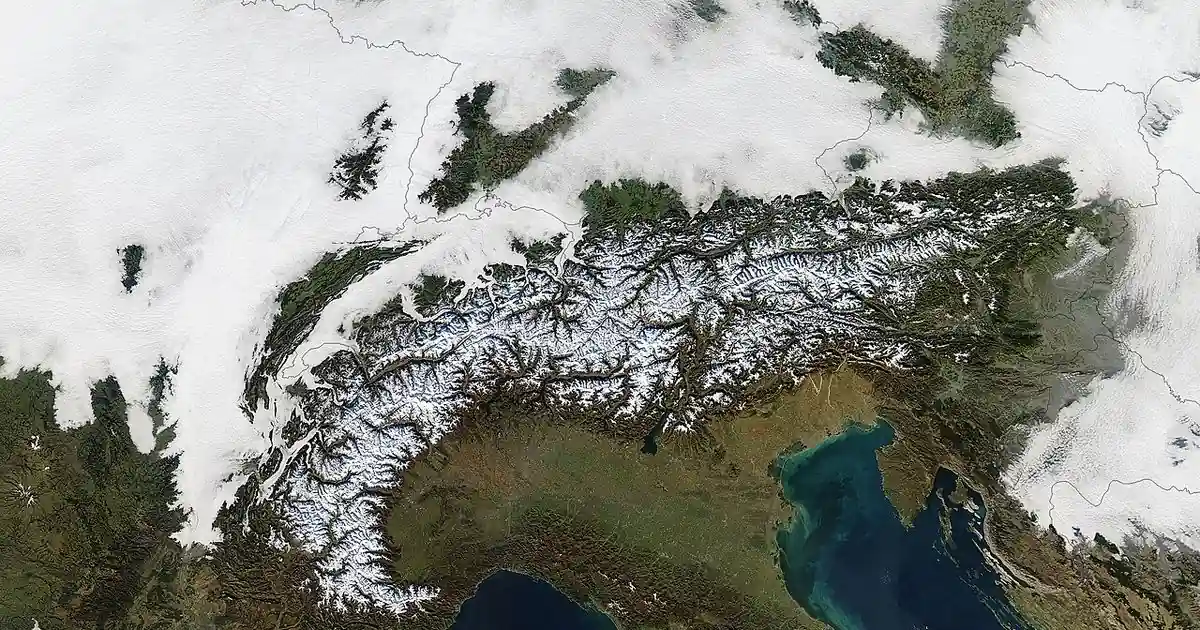
Germany winter 2026–27 planning: Lowland snow is irregular; reliable snowpack is an Alpine and higher Mittelgebirge story. Mild Atlantic spells can wipe city snow quickly. Official outlooks from Deutscher Wetterdienst (DWD) seasonal / European guidance should be re-checked monthly—see details below for quoted seasonal guidance and typical city climates.
This guide answers the searches people actually type—“winter 2026 forecast Germany”, “will it snow”, “best places to visit in winter”—with official seasonal outlook language where available, plus climatology for planning. Seasonal outlooks shift probabilities; they do not schedule a blizzard on your birthday.
Seasonal outlook (official sources)
Agency focus: Deutscher Wetterdienst (DWD) seasonal / European guidance. DWD publishes monthly seasonal and climate products; check the latest DWD seasonal forecast pages for Germany-specific terciles. Regionally, Met Office guidance that El Niño raises odds of wetter, stormier conditions for northwest Europe is relevant for western Germany’s Atlantic exposure. Do not invent local snow percentages—use DWD city forecasts within 10 days for ice and snow.
Re-check the agency site before you travel: long-lead packages are typically refreshed monthly. Within two weeks of a trip, switch to day-by-day forecasts and warnings.
Track conditions beside our weather tool and convert units with the unit converter or Celsius↔Fahrenheit guide. Cross-check clocks with the world clock.
Will it snow in Germany this winter?
Lowland snow is irregular; reliable snowpack is an Alpine and higher Mittelgebirge story. Mild Atlantic spells can wipe city snow quickly.
Typical temperatures and snow by city
Figures below are climatological expectations (what winters usually feel like), not NOAA/Met Office/IMD percentage forecasts for 2026–27.
| Place | Typical winter notes (climatology, not a forecast) | Region |
|---|---|---|
| Berlin | Jan avg about 3°C / −2°C; snow comes and goes | East |
| Munich | Jan avg about 3°C / −4°C; colder; Alps nearby | Bavaria |
| Hamburg | Jan avg about 4°C / 0°C; windy, damp | North |
| Cologne | Jan avg about 5°C / 1°C; milder Rhine winter | West |
| Dresden | Similar to Berlin with sharper cold snaps | East |
Best places to visit in Germany in winter
- Bavarian Alps ski areas
- Black Forest winter walks
- Christmas markets (Nov–Dec)
- Baltic coast bracing weekends
- Saxon Switzerland in frost
Festivals and holidays to plan around
- Christmas markets
- New Year fireworks rules vary by city
- Fasching / Carnival (late winter in Rhine cities)
- Berlinale season (dates yearly)
Countdown helpers: Christmas, New Year 2027, and festival countdowns. Public holiday lists: public holidays tool.
Travel and safety tips
- Ice on bikes/paths causes many injuries—microspikes help.
- Bahn winter disruptions: allow connections.
- Alpine avalanche reports (Lawinenwarndienst) before tours.
For itinerary maths use the date difference calculator and business-day guide. Time-zone hops: timezone converter.
Planning checklist for Germany
Two months out, skim the national seasonal map and decide whether your plan is mountain snow, city culture, or sun. One month out, book cancellable rates if the outlook is still shifting. One week out, switch entirely to warnings, highway cams and airport notices. Pack for the climate row in the table, then add a buffer layer for anomalies. Share your live location with a contact when driving mountain roads, and keep offline maps for tunnels and valleys with poor signal. Photograph insurance documents and medication lists into a cloud folder before you lose phone charge in the cold. Finally, re-read the official outlook page on the day you publish social plans—monthly updates can alter wet/dry odds enough to change a shoulder-season itinerary.
If you are chaining multiple countries, open our hub page for Winter 2026–27 to compare regions without mixing Southern Hemisphere summer destinations into a Northern snow packing list. Keep expectations honest: a “milder than average” seasonal label can still include a historic cold week, and a “wetter” label can still include a sunny holiday fortnight.
Packing and budget notes
Build a simple kit list from the climatology table: base layers, a waterproof shell, warm hat and gloves for cold destinations, sun protection for high altitude or desert winter sun, and spare phone battery capacity because cold drains cells quickly. Keep medications in carry-on bags when storms reroute luggage. For budgets, winter school holidays inflate ski prices; shoulder weeks in early December or mid-January can be calmer if your dates are flexible. Travel insurance that covers winter sports is worth reading line by line if you leave marked runs. When flying into mountain airports, plan a buffer night before you drive high passes. Share your itinerary with someone not on the trip, and agree a check-in time after long drives.
What this guide will not do
We will not invent a centimetre snow forecast for a city months ahead, assign fake confidence percentages, or promise powder on a specific weekend. National seasonal outlooks speak in odds of above, near or below normal temperature and precipitation. Local forecasts speak in hours. Your job as a traveller is to use each product for the question it can answer—and to update plans when warnings appear.
How to use this page with official forecasts
Read the national outlook for the pattern (warmer/wetter/drier odds). Read local forecasts for the event (snow Tuesday night). That split prevents both false certainty and useless vagueness. Our North America storm-prep news item remains useful background for watches vs warnings thinking, while this series focuses on country-level winter planning for 2026–27.
See all countries on the hub: Winter 2026–27 around the world.
Last updated 2026-10-13 (America/Toronto). Outlook language quoted from public national meteorological sources available in mid-October 2026; percentages above are only those published by the cited agencies—not invented site estimates. Climatology rows are typical-season guidance and can be beaten by individual storms.
Frequently asked questions
What is the winter 2026–27 outlook for Germany?
See the Seasonal outlook section quoting Deutscher Wetterdienst (DWD) seasonal / European guidance. Long-lead maps change; refresh the official site before travel.
Will it snow in Germany this winter?
Lowland snow is irregular; reliable snowpack is an Alpine and higher Mittelgebirge story. Mild Atlantic spells can wipe city snow quickly.
Where should I visit in Germany in winter?
Bavarian Alps ski areas; Black Forest winter walks; Christmas markets (Nov–Dec).
Which official source should I trust?
Deutscher Wetterdienst (DWD) seasonal / European guidance: https://www.dwd.de/
Are the city temperatures a forecast for 2026–27?
No—they are typical climatology to set expectations. Use official seasonal anomaly maps for odds and local forecasts for specific days.