USA · Houston · Elections hub
NASA's Moon Base rovers: VIPER heads for the lunar South Pole in 2027, crew rovers by 2028
In brief
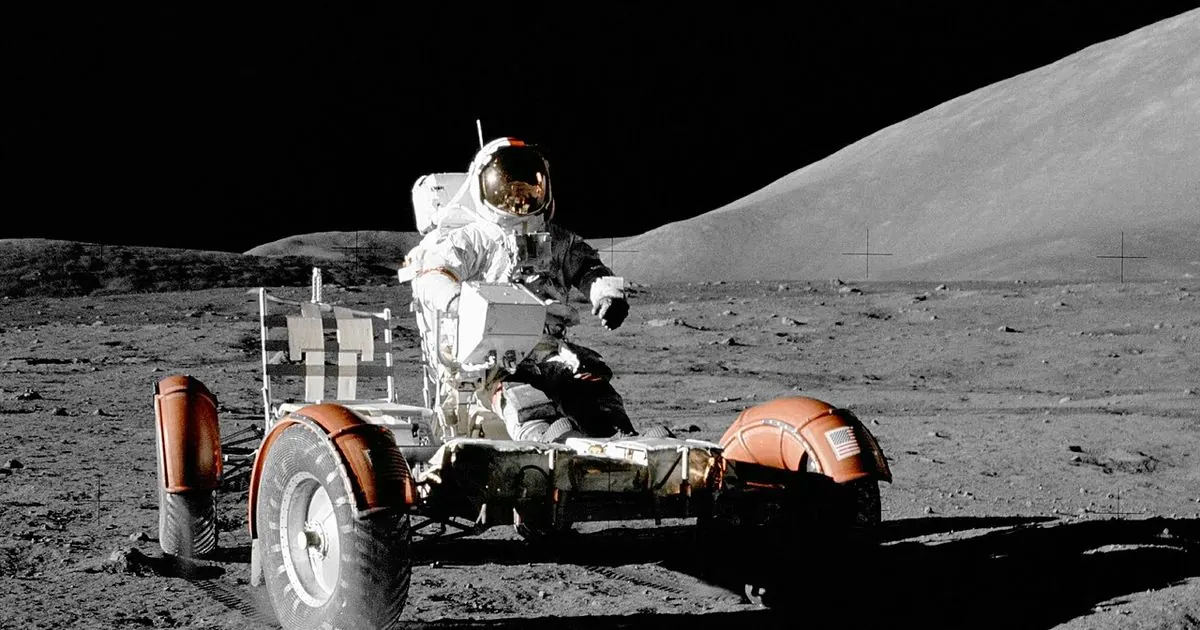
NASA released a Moon Base progress update on Tuesday, October 20, 2026, on the robotic and crewed rovers it is building for the lunar South Pole. The water-hunting VIPER rover is fully built and in final testing for a 2027 mission, and the first lunar terrain vehicles (LTVs) from Astrolab and Lunar Outpost are due to be delivered to the Moon by 2028.
VIPER: a rover looking for water
NASA's VIPER (Volatiles Investigating Polar Exploration Rover) is set to land near the Moon's South Pole in 2027 aboard a Blue Moon Mark 1 lander. It will drive more than 30 kilometres (about 18 miles) and peer into permanently shadowed craters in search of water and other resources. NASA says the rover is fully built and undergoing final tests at the Johnson Space Center in Houston before it travels to the Kennedy Space Center in Florida for launch. Its mission will be run from NASA's Ames Research Center in California.
Moon buggies, version two
For crews, NASA has picked Astrolab and Lunar Outpost to build the first lunar terrain vehicles, and Blue Origin to deliver them to the South Pole region by 2028. Before astronauts arrive, the rovers will be driven remotely from Earth, covering up to 6 kilometres a day to map the area. Once crews are there, each LTV is designed to support up to three moonwalks per Artemis mission, carry up to 80 kilograms of samples and tools, and travel up to 10 kilometres on one battery charge. They must also cope with shadowed regions as cold as minus 203°C (minus 334°F).
NASA astronauts in spacesuit mock-ups have already tested full-size models of both designs: Astrolab's CLV-1 and Lunar Outpost's Pegasus. Both companies will test their wheels and tyres on simulated lunar soil at NASA's Glenn Research Center in the coming weeks and, according to NASA, are on schedule to deliver flight-ready hardware at the end of 2027.
VSH take: the Apollo moon buggies of the 1970s became icons, and space fans are already debating which of the new designs looks cooler. For a feel of how cold minus 203°C is, try our unit converter; for views of our own planet, visit Live Earth from space and the ISS tracker. Students can add this to science current affairs on our exams hub.
Dates are NASA's current plans and can change. This is our own summary of a NASA update. ViralScopeHub is not affiliated with NASA or the companies named.
Why it matters
Rovers are how NASA plans to explore and build at the lunar South Pole, and VIPER's search for water could decide how a long-term Moon base is supplied.
People also ask
When will NASA's VIPER rover go to the Moon?
NASA plans to send VIPER to the lunar South Pole region in 2027 on a Blue Moon Mark 1 lander.
What are lunar terrain vehicles?
Rovers that Artemis astronauts can drive on the Moon. NASA picked Astrolab and Lunar Outpost to build them, with delivery to the South Pole region by 2028.
How far can the lunar terrain vehicles travel?
NASA says up to 10 kilometres on a single battery charge, and up to 6 kilometres a day when driven remotely from Earth.
Related free tools: Unit Converter, iss-tracker
Sources
Every ViralScopeHub news item is an original summary written in our own words. We link to the original reporting so you can read the full story from the publisher.