Technology · San Jose, California · Elections hub
Synaptics and Google bring Coral AI chips to wearables
In brief
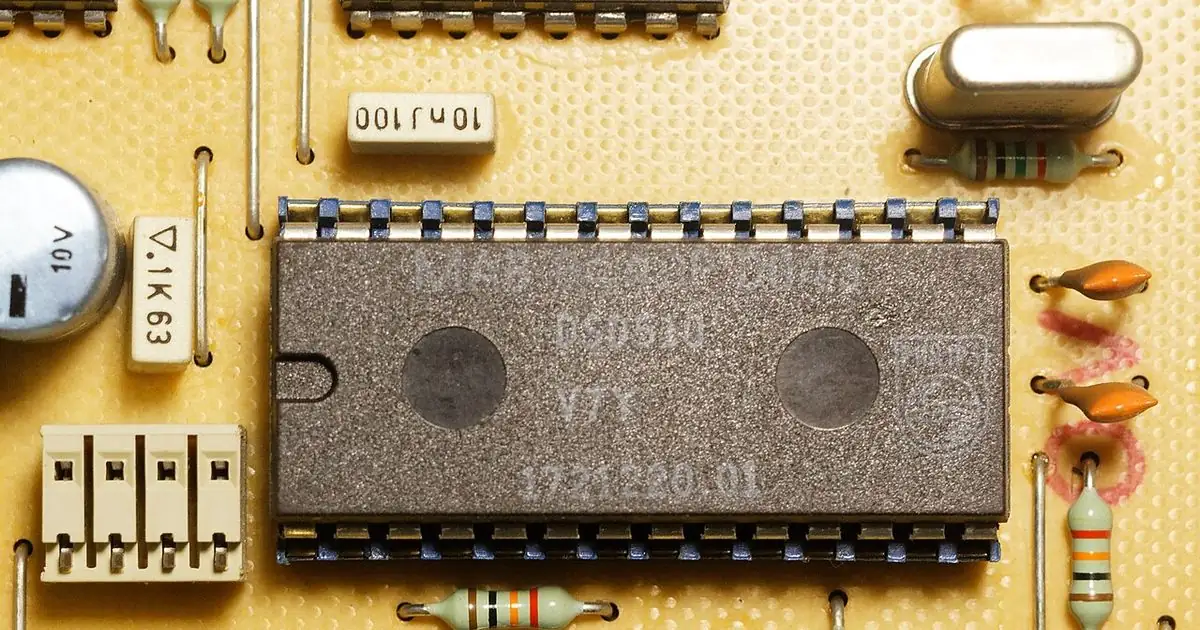
Chipmaker Synaptics announced on Oct. 20, 2026 a new family of low-power processors, the Astra SR200 series, that use the Coral neural processing unit designed by Google Research. The chips are meant to run AI for voice, vision and sensors directly on devices such as smart glasses, cameras and industrial sensors. A Coral developer board also went on general sale through DigiKey the same day.
What was announced
Synaptics calls the new chips "xMCUs", a step up from the tiny microcontrollers found in everyday gadgets. The series comes in three versions that fit the same circuit board layout. According to the company, the SR210 is rated at 200 billion operations per second for always-on voice and sensing, the SR230 at 300 billion with added vision and display support, and the top SR250 at 400 billion. Each pairs two Arm processor cores with the Coral AI engine. They also carry up to 8 MB of on-chip memory, and Synaptics says extra built-in memory can scale to hundreds of megabytes, so bigger AI models fit without a separate memory chip.
Developer boards
In a second announcement, Synaptics said its Coralboard SL, built with Google Research, is now generally available from distributor DigiKey. VentureBeat reported the board's listed price as $99.79. A more powerful Coralboard SR based on the new SR250 chip was also introduced, though Synaptics has not given a shipping date. The company says its open-source compiler can run small models such as Google's Gemma 3 270M, producing roughly 12 to 16 tokens per second depending on the compression used.
The bigger trend
Tech companies are pushing more AI out of data centres and onto the devices themselves. Running a model locally can mean faster responses, longer battery life and less personal data sent over the internet. The launch announcement included supportive comments from partners such as Arm, Sonos and the home security firm Verisure. Google Research open-sourced the Coral NPU design in 2025, so other chipmakers can use it too.
VSH take: you will not buy an SR200 chip yourself. You may end up wearing one, though, in smart glasses or earbuds that understand voice commands without an internet connection. Curious how today's AI models compare? See our AI models guide.
Why it matters
On-device AI could make everyday gadgets more private and responsive, because voice and camera data can be processed on the device instead of being sent to a server. Companies will still need to show real products and independent tests before those claims can be judged.
People also ask
What is the Synaptics Astra SR200?
It is a family of three low-power processors (SR210, SR230 and SR250) announced on Oct. 20, 2026. They combine Arm cores with Google Research's Coral AI engine to run voice, vision and sensor AI on small devices.
Can I buy a Coral development board?
Synaptics says the Coralboard SL is available to order from DigiKey from Oct. 20, 2026. The newer Coralboard SR has been announced but does not yet have a shipping date.
Related free tools: ai-models
Sources
- Synaptics via GlobeNewswire: Synaptics and Google Research Expand the Coralboard Ecosystem
- Synaptics (via Stock Titan): Synaptics Launches the xMCU Era with the Astra SR200 Series of Multimodal Edge AI Processors
- VentureBeat: Google and Synaptics unveil new AI chips for wearables and industrial devices, powered by open-source Coral technology
Every ViralScopeHub news item is an original summary written in our own words. We link to the original reporting so you can read the full story from the publisher.