World · Geneva, Switzerland · Elections hub
WHO urges faster action on lead poisoning as its 2026 prevention week wraps up
In brief
The World Health Organization's International Lead Poisoning Prevention Week ran from 18 to 24 October 2026 under the theme "From Detection to Prevention". WHO is calling on countries to speed up action against lead exposure, which it says contributes to more than 3.5 million deaths a year and affects hundreds of millions of children. There is no known safe level of lead exposure.
Why lead is still a problem
Lead is especially harmful to young children because their brains and nervous systems are still developing, and damage can be permanent, affecting learning and behaviour. WHO says exposure can come from many sources, including lead paint, some cookware, certain cosmetics and spices, informal recycling of lead-acid batteries, industrial pollution and old water pipes. Because symptoms are often not visible, many cases go unnoticed. WHO notes that in its latest published global assessment, fewer than half of countries had confirmed legally binding controls on lead paint.
What WHO is asking for
WHO wants countries to adopt legally binding bans on lead paint, strengthen product rules and enforcement, improve blood lead testing and surveillance, and educate the public. WHO Member States have asked it to develop a Global Action Plan on Lead Mitigation for the World Health Assembly in 2027, and WHO plans to release a PREVENT technical package on lead poisoning prevention in 2027. WHO also works with partners to build blood lead testing capacity in places including Brazil, five states in India, Nepal and six countries in sub-Saharan Africa. "Lead poisoning should not be stealing children's potential in 2026," said Bruce Gordon, acting director of WHO's Department of Environment, Climate Change, One Health and Migration.
VSH take: The good news is that lead poisoning is entirely preventable. At home, wash children's hands and toys often, wet-wipe dust instead of sweeping in older homes, and buy paints, toys and spices from trusted sellers. Keep healthy habits with our water intake calculator, test what you know with our trivia quizzes, and find science help on our study pages and exam guides. Travelling? Compare fares on the flights hub.
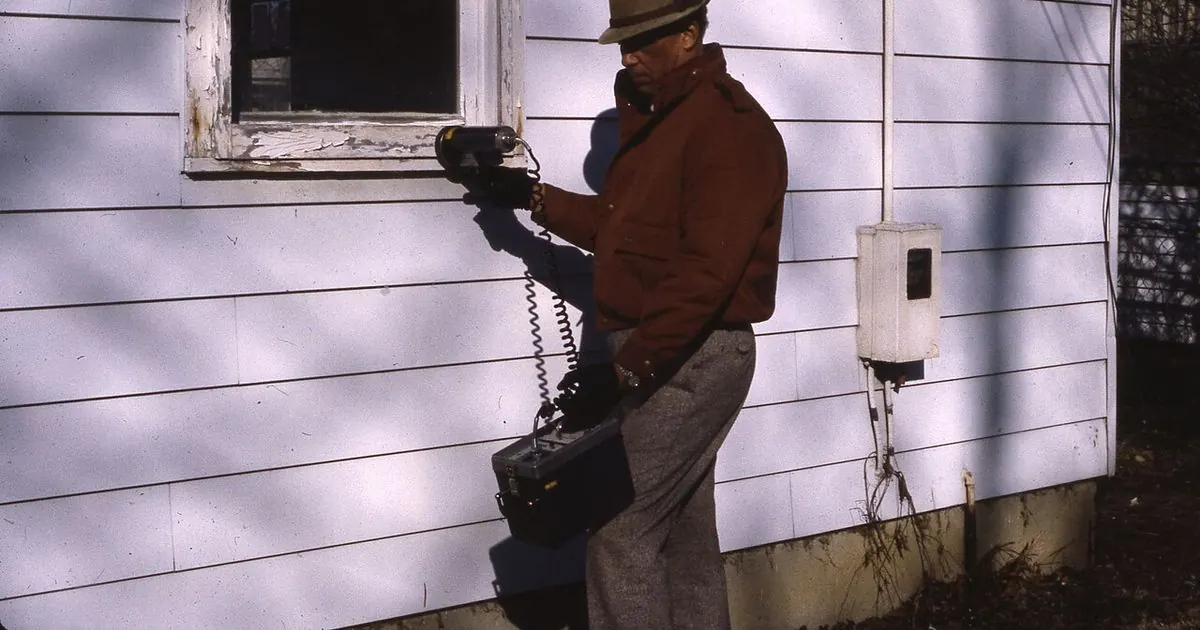
ViralScopeHub is an independent news summary site and is not affiliated with the World Health Organization. This is general information, not medical advice. If you are worried about lead exposure, ask a doctor about a blood lead test. The photo is a public-domain archive picture.
Why it matters
Lead harms children's brains for life, yet it is fully preventable, and many countries still lack legal limits on lead paint.
People also ask
When is International Lead Poisoning Prevention Week 2026?
18 to 24 October 2026. The theme is "From Detection to Prevention".
How many deaths are linked to lead?
WHO says lead exposure contributes to more than 3.5 million deaths a year worldwide, mainly from cardiovascular effects.
Is any level of lead safe?
No. WHO says there is no known safe level of lead exposure, and even low levels can cause lasting harm to children.
Where does lead exposure come from?
Sources include lead paint, some cookware, cosmetics and spices, informal battery recycling, industrial pollution and old water pipes.
Related free tools: Water Intake Calculator, Trivia Quiz
Sources
- World Health Organization: Countries move to accelerate action against lead poisoning (15 Oct 2026)
- World Health Organization: About International Lead Poisoning Prevention Week 2026
Every ViralScopeHub news item is an original summary written in our own words. We link to the original reporting so you can read the full story from the publisher.