USA · Greenbelt, Maryland, USA · Elections hub
NASA's Swift Observatory ends its mission after nearly 22 years and will re-enter the atmosphere within weeks
In brief
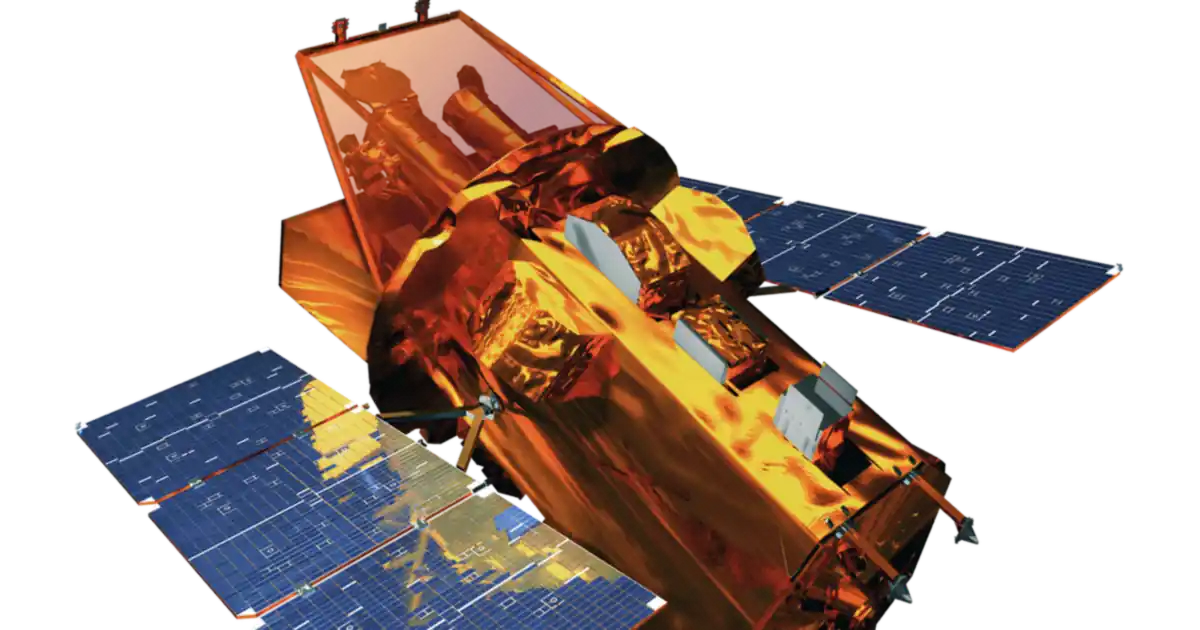
NASA said on October 23, 2026, that its Neil Gehrels Swift Observatory has concluded operations and is expected to re-enter Earth's atmosphere in the next few weeks. Launched in November 2004, Swift was built to catch gamma-ray bursts, the most powerful explosions in the universe, and spent almost 22 years studying them along with many other cosmic objects. Rising solar activity thickened the upper atmosphere and increased drag, making the satellite sink faster than it could cope with.
Why Swift is coming down
Every satellite in low Earth orbit slowly loses height because of drag from the thin upper atmosphere, and the effect grows when the Sun is active. NASA said a high-risk, fast-turnaround servicing mission meant to boost Swift ended in August without an attempt to raise its orbit. The team had paused science to reduce drag while that mission was prepared, then restarted observations, which increased drag again. On October 20, Swift dropped to 171 miles (275 kilometres), could no longer compensate, and went into safe mode. The operations team at Penn State then sent a command that effectively ended the mission to prepare it for re-entry.
What Swift leaves behind
Since restarting observations, Swift looked at hundreds more targets, from the leftovers of exploding stars to active supermassive black holes in faraway galaxies and comets in our own solar system. The observatory is named after Neil Gehrels, the NASA astrophysicist who led the mission, and it was famous for swinging around within a minute or two to point at a fresh gamma-ray burst. NASA said Swift leaves a legacy of innovation and a treasure trove of observations that scientists will keep using for years. Updates are posted on the mission's NASA blog.
VSH take: It is a bittersweet ending. Swift was planned for a couple of years and kept working for more than two decades, which says a lot about the people who built and ran it. It is also a reminder that the Sun can shape what happens in orbit. See our planet from space on Live Earth from space, follow the space station with the ISS tracker, explore the planets in the solar system explorer or test yourself with the space quiz. Studying physics? Our study tools and exam guides can help.
ViralScopeHub is an independent news summary site and is not affiliated with NASA or Penn State. The image is a NASA illustration of the Swift spacecraft.
Why it matters
Swift was one of NASA's longest-serving space telescopes and a key tool for spotting gamma-ray bursts, so its end closes an important chapter in space science.
People also ask
Why did NASA end the Swift mission?
Increased atmospheric drag, boosted by solar activity, made Swift sink too fast. On October 20, 2026 it reached 275 km, entered safe mode and the team ended operations.
When will Swift re-enter the atmosphere?
NASA said it is expected to re-enter within the next few weeks after October 23, 2026.
What did Swift study?
Mainly gamma-ray bursts, the most powerful explosions in the universe, plus remnants of exploded stars, active black holes and comets.
Related free tools: iss-tracker, World Clock
Sources
Every ViralScopeHub news item is an original summary written in our own words. We link to the original reporting so you can read the full story from the publisher.