Canada · Windsor and Essex County, Ontario · Elections hub
CFIA sets up spotted lanternfly regulated area in Windsor, Essex, Pelee and Chatham-Kent
In brief
The Canadian Food Inspection Agency (CFIA) announced on October 23, 2026, a regulated area for spotted lanternfly covering the county of Essex, the city of Windsor, the township of Pelee and the municipality of Chatham-Kent in Ontario. After the first detection in Windsor, more finds and hundreds of confirmed sightings across Essex County, including adults and egg masses, led the agency to conclude that a reproducing population is now established there. Anything moving out of the area, such as nursery stock, outdoor household items, ornamental stones and firewood, must be free of the insect at every life stage.
What the rules mean
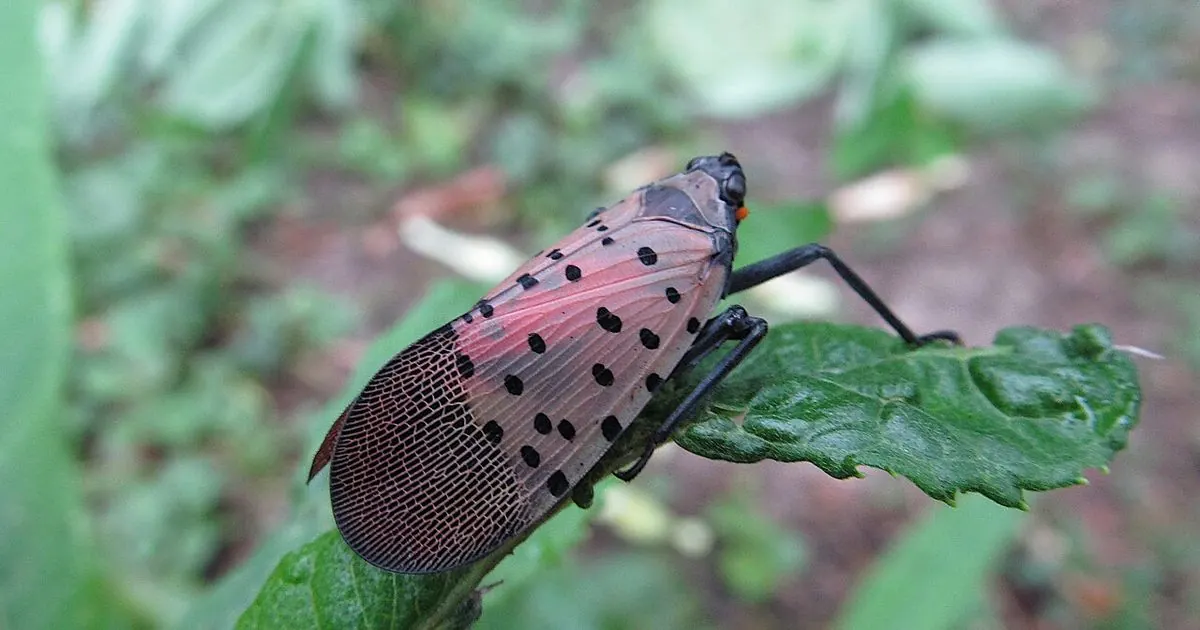
Spotted lanternfly is an invasive insect from Asia that has spread across parts of the United States. It can feed on more than 100 kinds of trees and plants, though the CFIA says significant damage has only been seen on grapes. That matters in southwestern Ontario, which has vineyards and a large greenhouse and farming sector. Under the new rules, things moving from the regulated area to the rest of Canada must be free of all life stages of the insect, from egg masses to adults. The CFIA says the aim is to slow the spread and protect areas that are not yet infested.
What you can do
The agency asks everyone in the area to check items stored outside, including cars, patio furniture, tarps, sports equipment, garden tools, trees and plants. Egg masses look like smears of grey mud and are easy to miss. People driving back from infested parts of the U.S. or from the regulated area should check their vehicle and outdoor gear before leaving. If you spot one outside the regulated area, the CFIA's advice is: take a photo or video, catch the insect or scrape off the egg masses, put it in a sealed container and report it right away through inspection.gc.ca/pests or your local CFIA office.
VSH take: Spotted lanternflies are actually quite pretty, which is part of the problem: people notice them, take a picture and move on. The main way they spread long distances is by hitching rides on cars, firewood and outdoor gear, so a two-minute check before a road trip does more good than most people think. It is also a great nature lesson for kids. Try our animals quiz or science quiz, and if you are planning a trip, our travel hub and flight deals page can help.
ViralScopeHub is an independent news summary site and is not affiliated with the Canadian Food Inspection Agency or the Government of Canada. Check the official CFIA page for the exact rules and boundaries.
Why it matters
Spotted lanternfly can harm grapevines and spreads mainly by hitching rides on vehicles and outdoor items, so the rules affect residents, growers and travellers in southwestern Ontario.
People also ask
Where is the spotted lanternfly regulated area in Ontario?
It covers the county of Essex, the city of Windsor, the township of Pelee and the municipality of Chatham-Kent, announced by the CFIA on October 23, 2026.
What can't be moved out of the regulated area?
Items moving out, including nursery stock, outdoor household items, ornamental stones and firewood, must be free of all life stages of spotted lanternfly.
What should I do if I see a spotted lanternfly?
Outside the regulated area, take a photo, catch it or scrape off the eggs, seal it in a container and report it to the CFIA at inspection.gc.ca/pests.
Related free tools: Sunrise & Sunset, World Clock
Sources
Every ViralScopeHub news item is an original summary written in our own words. We link to the original reporting so you can read the full story from the publisher.