USA · Washington · Elections hub
NOAA launches Ocean DNA Explorer, a free portal for tracking sea life from DNA in seawater
In brief
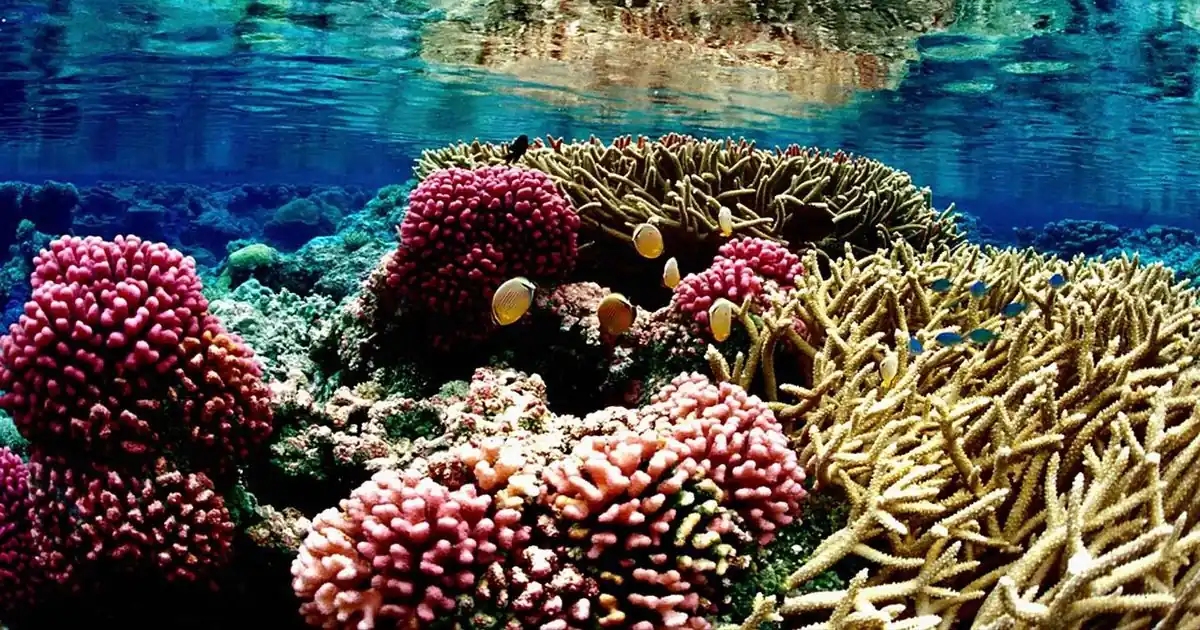
NOAA has launched the Ocean DNA Explorer, an open-source data portal for sharing, searching and visualizing marine environmental DNA (eDNA), the agency announced on October 21, 2026. eDNA is the genetic material that animals and other organisms leave behind in the water, and scientists use it to detect species such as fish, corals and marine mammals without having to catch or even see them.
What the portal does
The Ocean DNA Explorer was built by the Northern Gulf Institute at Mississippi State University with NOAA's Atlantic Oceanographic and Meteorological Laboratory, funded by NOAA Ocean Exploration and NOAA Omics. NOAA says it aims to render eDNA data accurately, make it accessible and publish it to a permanent repository. Users can browse data tables, search across projects and show results on a map, and make charts such as bar charts and heatmaps. A Learn page explains eDNA for newcomers, and advanced users get BLAST sequence searches and an API export.
What is already inside
The first datasets come from NOAA teams, including water samples taken on six NOAA Ship Okeanos Explorer expeditions between 2021 and 2023. In one sample collected off Washington State in 2023, the portal counts 880 occurrences from 291 taxonomies, led by worms and corals. It even shows where a blacktail snailfish turned up in two deep-water samples. NOAA says more contributors and features are coming, including direct sharing with the global Ocean Biodiversity Information System (OBIS).
VSH take: finding a fish from a scoop of seawater still sounds like science fiction, and now students can explore the real data for free. For more planet-watching, try our Live Earth from space views, and read our recent story on NASA's Thwaites Glacier sea-level projection. Curious how far down a research ship works? Our unit converter turns metres into feet.
This is our own summary of a NOAA Ocean Exploration news story. ViralScopeHub is not affiliated with NOAA.
Why it matters
Shared, standard eDNA data lets scientists map ocean life faster and more cheaply, which helps protect fisheries, coral reefs and endangered species.
People also ask
What is eDNA?
Environmental DNA: genetic material such as scales, tissue, mucus or waste that organisms leave in water or sediment, plus whole microorganisms. Scientists sequence it to identify which species are present.
Who built the Ocean DNA Explorer?
The Northern Gulf Institute at Mississippi State University with NOAA's Atlantic Oceanographic and Meteorological Laboratory, funded by NOAA Ocean Exploration and NOAA Omics.
Can anyone use it?
Yes. NOAA says the data are accessible to researchers, policymakers, educators and anyone interested in marine eDNA.
Related free tools: Unit Converter, Percentage Calculator
Sources
Every ViralScopeHub news item is an original summary written in our own words. We link to the original reporting so you can read the full story from the publisher.