Technology · London, United Kingdom · Elections hub
UK launches an AI Biosecurity Lab to spot disease threats earlier and speed up vaccines
In brief
The UK government announced on October 24, 2026, that it is setting up the AI Biosecurity Lab (AIBL), which it describes as the world's first dedicated AI biosecurity organisation. The lab will use advanced AI to help the UK detect biological threats, such as new disease outbreaks, earlier and to speed up the development and testing of vaccines and treatments. It is backed by £100 million of government funding and up to £200 million in commitments from the AI companies OpenAI and Anthropic.
What the lab will do
According to the Cabinet Office, the lab's first work will focus on two things: better early detection of emerging biological threats, and faster development of vaccines, treatments and other medical countermeasures. The government says AI is opening new opportunities in science, but that more capable AI systems could also create new biological risks, so the lab will study both sides. It will operate as an independent, non-profit organisation, similar in spirit to the UK's AI Security Institute, with a scientific advisory committee drawn from academia, industry and charities.
Who is involved
OpenAI will provide £100 million in computing and model credits, and Anthropic will provide up to £100 million in model credits, model access and technical support. Google DeepMind and the London company Basecamp Research will join as research partners. The lab is part of a wider National AI Biosecurity Initiative that brings in the UK Health Security Agency, the Animal and Plant Health Agency and the Defence Science and Technology Laboratory, and it will work with the medicines regulator, the MHRA. HM Treasury said the lab sits inside a £165 million biosecurity package and a broader set of AI announcements, including more money for the AI Security Institute and a new AI-powered cyber defence programme, ahead of the Chancellor's Budget.
VSH take: Using AI to catch outbreaks sooner and cut the time it takes to make vaccines is the kind of AI news most people can get behind. The big questions now are how the lab shares its findings with other countries and how independent it stays from the companies funding it. Curious how AI models work? Try free AI tools that run in your own browser, such as our AI image upscaler and object detector, or test your knowledge with our trivia quizzes. Students can find help on our study pages and exam guides, and if you are planning a trip to London, start with the flights hub.
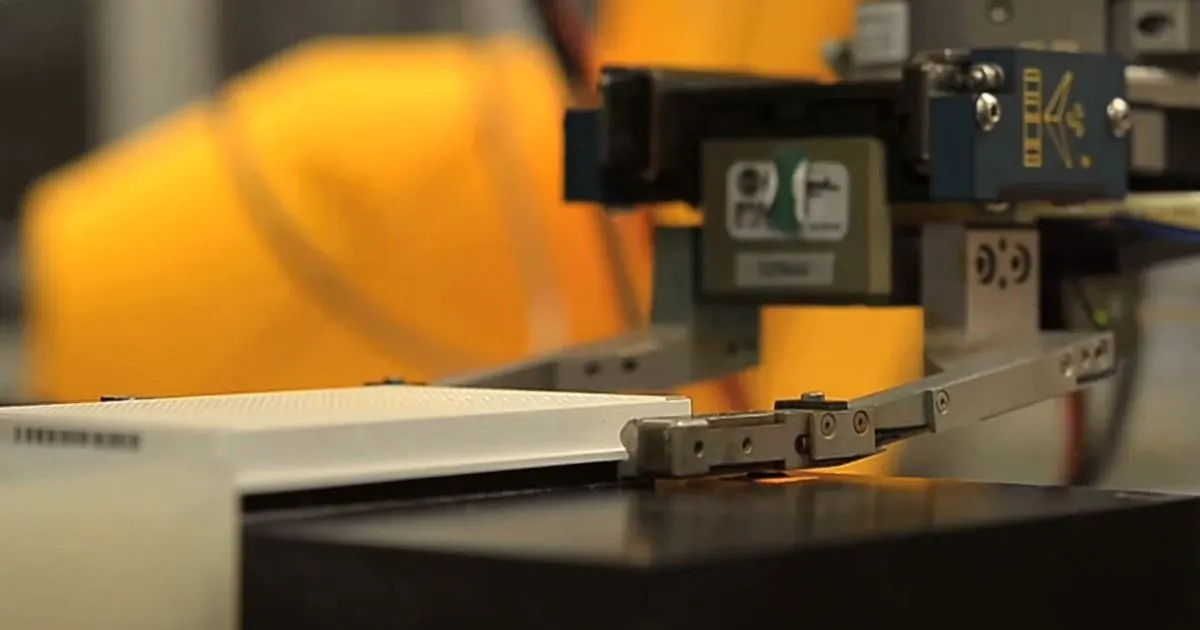
ViralScopeHub is an independent news summary site and is not affiliated with the UK Government, OpenAI, Anthropic, Google DeepMind or Basecamp Research. Amounts are as announced by the government and may change. The photo is a public-domain US research laboratory picture, not the new lab.
Why it matters
Faster detection of outbreaks and quicker vaccines could help people everywhere, and the lab is an early test of how governments and AI companies can work together on safety.
People also ask
What is the AI Biosecurity Lab?
A new independent, non-profit organisation set up by the UK government to use frontier AI to detect biological threats earlier and speed up vaccines, treatments and other medical countermeasures.
How is it funded?
With £100 million of UK government funding and up to £200 million in commitments from OpenAI and Anthropic, mostly in computing and model credits.
Which other organisations are involved?
Google DeepMind and Basecamp Research are research partners, and the lab works with UKHSA, the Animal and Plant Health Agency, Dstl and the MHRA.
When was it announced?
The UK government announced it on October 24, 2026, as part of a wider package of AI measures linked to the Budget.
Related free tools: AI Image Upscaler, AI Object Detector
Sources
- GOV.UK (Cabinet Office): Introducing the AI Biosecurity Lab (Oct 24, 2026)
- GOV.UK (HM Treasury): Chancellor unveils Britain's ambitious plan for AI (Oct 24, 2026)
Every ViralScopeHub news item is an original summary written in our own words. We link to the original reporting so you can read the full story from the publisher.