USA · Rahway, New Jersey, and Cambridge, Massachusetts, USA · Elections hub
Personalised mRNA cancer vaccine cut the risk of melanoma returning by 42% in a large trial
In brief
Merck and Moderna released detailed results from their phase 3 INTerpath-001 trial on October 22, 2026, ahead of a presentation at the European Society for Medical Oncology (ESMO) Congress 2026 in Madrid. The trial tested intismeran autogene, an experimental mRNA therapy made individually for each patient from their own tumour, given alongside the immunotherapy drug Keytruda (pembrolizumab) to people whose melanoma had been fully removed by surgery. Compared with Keytruda alone, the combination reduced the risk of the cancer coming back or death by 42%.
What the trial found
The study enrolled 1,137 people with stage IIB to IV melanoma, the most serious type of skin cancer, after their tumours had been completely removed. Two out of three participants received the personalised therapy plus Keytruda, and the rest received Keytruda plus a placebo. After a median follow-up of about two years (24.6 months), 82.2% of people in the combination group were alive without the cancer returning, compared with 70.0% on Keytruda alone. The risk of the cancer spreading to distant organs, or death, was 38% lower. The companies said the benefit appeared after the first six months, once the course of injections had been given. Overall survival data are not yet mature, and the trial continues. Side effects such as fever, pain at the injection site and tiredness were common, and severe (grade 3 or higher) treatment-related side effects occurred at similar rates in both groups, about 14% versus 13%.
How a personalised mRNA therapy works
Unlike a vaccine that prevents an infection, intismeran is a treatment. Doctors sequence a sample of the patient's tumour and normal DNA, find mutations unique to that cancer, and build an mRNA molecule coding for up to 34 of these targets, called neoantigens. Once injected, it teaches the immune system to recognise cancer cells carrying those markers. Nature reported that this could become the first approved mRNA therapy for cancer. It is not yet approved anywhere: the companies said they are talking to regulators, and the results have been accepted by The New England Journal of Medicine. Trials in lung cancer and other tumour types are under way.
VSH take: This is one of the clearest signs yet that mRNA technology, best known from COVID-19 vaccines, can be tailored to one person's cancer. It is still an experimental treatment for people who have already had melanoma surgery, not something you can ask for at a pharmacy, and long-term survival results are still to come. The everyday lesson has not changed: sun protection and checking your skin matter. Check today's sunshine with our weather tool and sunrise and sunset times, and if you are studying biology or preparing for a medical entrance exam, our study pages and exam guides can help. Planning travel for treatment or a conference? Compare fares on the flights hub.
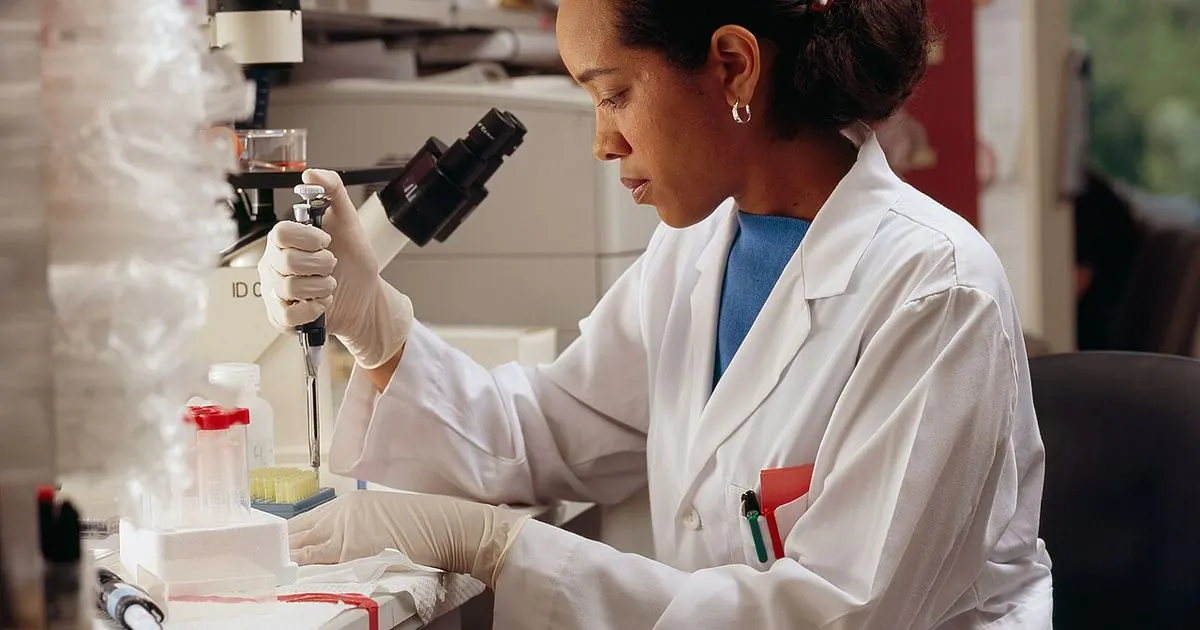
ViralScopeHub is an independent news summary site and is not affiliated with Merck, Moderna, ESMO or any trial site. This article is general information, not medical advice. Talk to your doctor about any treatment decisions. The photo is an archive picture of a laboratory researcher, not of this trial.
Why it matters
Melanoma can return after surgery, most often within two years, so a treatment that lowers that risk could change care for many patients, and it is a major test of personalised mRNA medicine.
People also ask
What is intismeran autogene?
An experimental, individualised mRNA therapy developed by Merck and Moderna. It is made from each patient's tumour and codes for up to 34 cancer-specific targets so the immune system can recognise the cancer.
How much did it lower the risk?
In the phase 3 trial, adding it to Keytruda after surgery reduced the risk of melanoma returning or death by 42% compared with Keytruda alone, after a median of 24.6 months.
Is the melanoma vaccine approved?
No. It is still investigational. The companies said they are engaging with regulators and the results have been accepted for publication in The New England Journal of Medicine.
Does it prevent skin cancer?
No. It is designed to stop melanoma from coming back in people who have already had their tumours removed, not to prevent skin cancer in healthy people.
Related free tools: Weather, Sunrise & Sunset
Sources
- Merck (with Moderna): Merck and Moderna Will Present Results From Landmark Phase 3 INTerpath-001 Trial for Intismeran Autogene Plus KEYTRUDA at ESMO 2026 Presidential Symposium (Oct 22, 2026)
- Nature: Moderna mRNA vaccine almost halves the risk of skin cancer returning (Oct 23, 2026)
Every ViralScopeHub news item is an original summary written in our own words. We link to the original reporting so you can read the full story from the publisher.