World · Geneva · Elections hub
Malaria vaccine price to drop about 40% in Gavi and UNICEF deal, freeing money to protect more children
In brief
UNICEF and Gavi, the Vaccine Alliance, announced on October 22, 2026, an agreement that will cut the price of the RTS,S/AS01 malaria vaccine by about 40 per cent, to EUR 5.50 per dose. The deal is expected to save around US$50 million between 2027 and 2029, enough to protect up to one million more children with the full four-dose course, or to reach more children with other vaccines.
How the deal works
The agreement is executed by UNICEF, backed financially by Gavi and made possible by an advance payment from the International Finance Facility for Immunisation (IFFIm). The lower price is expected to take effect by early 2027, once regulatory and manufacturing milestones are met, including WHO prequalification of a new manufacturing facility. Production of the vaccine is being transferred from GSK to Bharat Biotech in India for future supply. WHO has prequalified two malaria vaccines so far, RTS,S/AS01 and R21/Matrix-M, and recommends both for children.
Demand is higher than expected
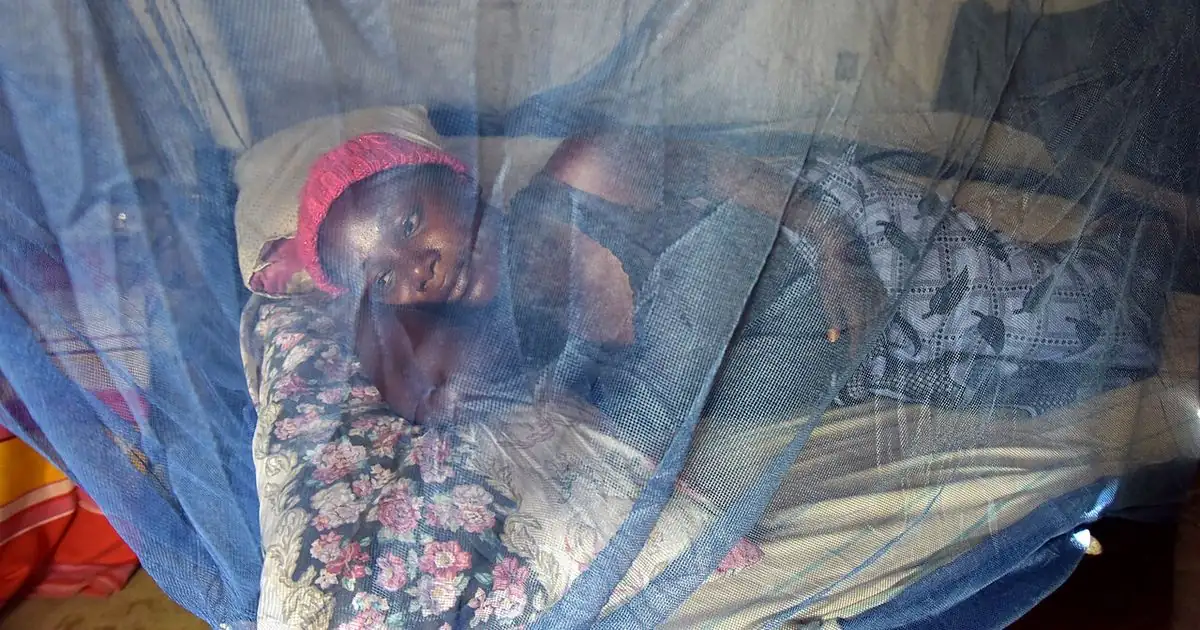
Since rollout began in 2024, UNICEF says it has procured and delivered more than 74 million doses, and the Gavi-funded programme is now part of routine immunization in 25 African countries. A full course of four doses reduces malaria cases by about 75 per cent when given seasonally in areas of high seasonal transmission. Vaccines work alongside other protection such as insecticide-treated bed nets, repellents and quick diagnosis and treatment.
VSH take: this is a quiet but powerful kind of good news: the same budget can now buy many more doses for children. Curious how a 40% cut works out? Try it in our percentage calculator or turn EUR 5.50 into your own currency with the currency converter. More health news today: WHO's new healthy ageing partnership.
This is our own summary of a UNICEF press release. It is general information, not medical advice. ViralScopeHub is not affiliated with UNICEF, Gavi or WHO.
Why it matters
Cheaper vaccines mean limited health budgets can protect more young children in the countries where malaria hits hardest.
People also ask
How much will the malaria vaccine cost?
EUR 5.50 per dose for the RTS,S/AS01 vaccine, about 40 per cent less than the price paid today, expected to take effect by early 2027.
How much money will the deal save?
Around US$50 million between 2027 and 2029, which could protect up to one million more children with the full four-dose course.
Who is behind the agreement?
UNICEF executes the deal, Gavi, the Vaccine Alliance backs it financially, and the International Finance Facility for Immunisation (IFFIm) made an advance payment.
Related free tools: Percentage Calculator, Currency Converter
Sources
Every ViralScopeHub news item is an original summary written in our own words. We link to the original reporting so you can read the full story from the publisher.